Don't fall for the headlines claiming we're watching a simple replay of the brutal February and March clashes between the US and Iran. It looks identical on the surface. Air raid sirens are blaring in Bahrain, oil prices are creeping back up, and the brief June ceasefire is completely in tatters. But if you look closer, the rules of engagement shifted entirely between March and July 2026.
What we're seeing right now isn't an all-out war to topple a regime or flatten entire cities. It's something much more tactical, focused entirely on the world's most vital economic choke point. If you found value in this post, you should look at: this related article.
Understanding this shift matters because your assumptions about inflation, global shipping, and Middle Eastern stability depend on it. The initial phase of this war shattered the myth that the region's commercial hubs were safe from major conflict. Now, both Washington and Tehran are fighting a different kind of war, even as they pretend to keep the door open for diplomacy.
The Shift From Regime Survival to Maritime Control
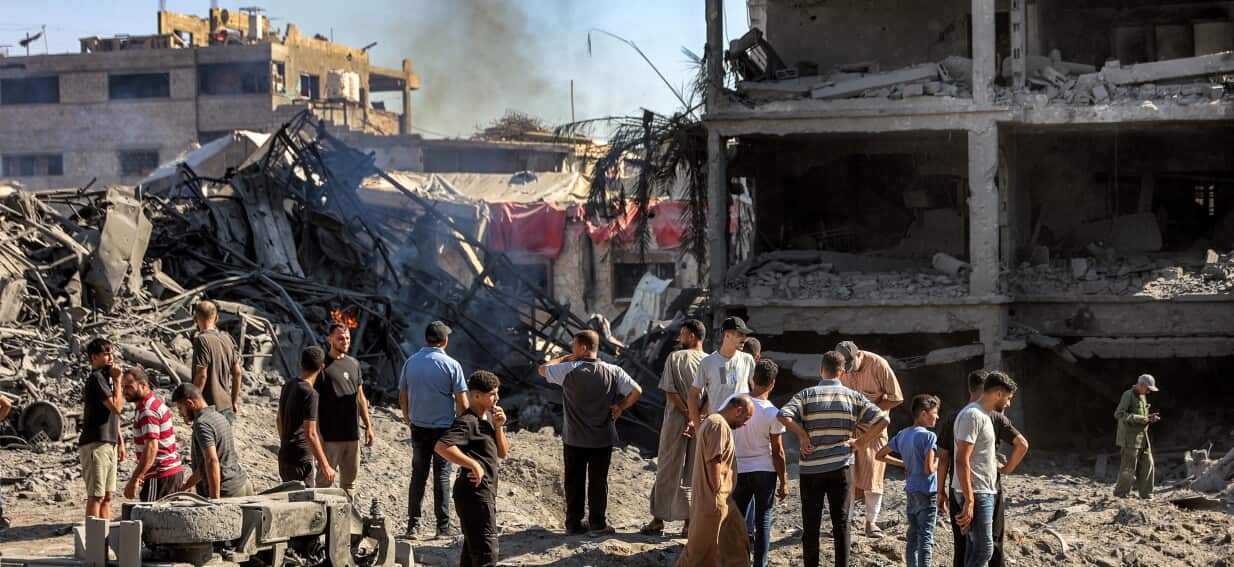
When the US-Israeli air campaign began on February 28, the scope was massive and decapitating. The very first day saw the death of Supreme Leader Ali Khamenei in Tehran. March was defined by relentless, widespread air campaigns targeting major Iranian urban centers. The goal then felt totalizing, pushing the Iranian state to the brink of complete collapse while throwing global markets into absolute chaos. For another look on this story, refer to the latest coverage from Al Jazeera.
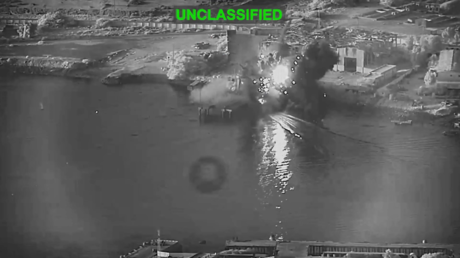
July looks completely different. Look at the geographical footprint of the latest US Central Command (CENTCOM) strikes. Over the weekend, CENTCOM launched massive strikes hitting around 140 Iranian military targets. But instead of a carpet-bombing campaign across the interior, these strikes targeted drone sites, missile launchers, and radar installations concentrated primarily along the southern coast and the Strait of Hormuz.
Iran's retaliation patterns shifted too. Instead of the unchecked regional barrage seen in March, Tehran targeted specific military bases housing US forces in Jordan, Bahrain, Kuwait, Qatar, and Oman. The geography tells the real story. This is no longer a war about who rules Tehran. It's a war about who controls the water.
Why the June Ceasefire Unraveled So Fast
The memorandum of understanding (MoU) signed in June was supposed to bring an immediate and permanent halt to the fighting. It failed because it ignored the single biggest flashpoint in the region.
- The Trigger: On July 6, the Islamic Revolutionary Guard Corps (IRGC) attacked three commercial ships off the coast of Oman, including a Qatari liquefied natural gas tanker.
- The Escalation: The US retaliated with targeted strikes, prompting Iran to fire back at regional bases.
- The Collapse: Donald Trump declared the ceasefire dead, and Iran immediately shut down the Strait of Hormuz.
Tehran claims the US violated the spirit of the deal by trying to bypass Iranian authority and establish alternative transit routes in the Gulf. For Iran's new leadership, including Supreme Leader Mojtaba Khamenei, giving up control of the strait isn't an option. Two senior Iranian officials recently told Reuters that giving up the waterway would be seen as total surrender. They view the strait as their ultimate leverage. Trump countered by stating the US would act as the "guardian" of the strait and even floating the idea of collecting tolls.
The Illusion of Talk and the War Powers Problem
Here is the weirdest part of the July escalation. Even though the ceasefire is dead and bombs are falling, neither side has walked away from the negotiating table. When Trump announced the end of the ceasefire, he noted that talks would continue behind the scenes, with Qatar and Pakistan acting as mediators. It's a surreal dynamic. They're trading missile strikes by night and diplomatic notes by day.
This hybrid approach helps Trump navigate a massive political headache at home. The War Powers Act forces a president to get congressional authorization 60 days after hostilities start. Trump sidestepped this entirely by arguing the April 7 ceasefire effectively terminated the first phase of the war before the clock ran out.
Now the clock resets. But the American public is exhausted by inflation, and soaring oil prices are dragging down administration approval ratings. A limited, maritime focused conflict is much easier to sell to a skeptical public than a prolonged ground war or a massive nation building campaign.
What Happens Next to Your Wallet
The immediate crisis isn't about troops on the ground; it's about the 6,000 seafarers currently stranded on scores of vessels because shipping through the strait has ground to a halt. If you're trying to figure out where this goes next, keep your eyes on the shipping lanes and economic data rather than the political rhetoric.
- Watch the alternative routes: See if the US attempts to force open alternative transit paths through the Gulf, which will inevitably trigger more IRGC drone attacks.
- Monitor the energy markets: Crude oil prices are the real barometer of this conflict. If they stay volatile, expect domestic inflation to pinch harder.
- Track Iraqi diplomacy: Iraqi Prime Minister Ali al-Zaidi is traveling to Washington to ink a deal aimed at curbing Iranian influence in exchange for US energy investments. Watch how Tehran reacts to Baghdad drifting closer to the US orbit.
The conflict isn't escalating into World War III. It's settling into a grinding, expensive battle of endurance over global energy infrastructure. Both sides know exactly how far they can push without triggering total ruin, and they're testing those limits every single day.