The Sudden Collapse of a Diplomatic Storm
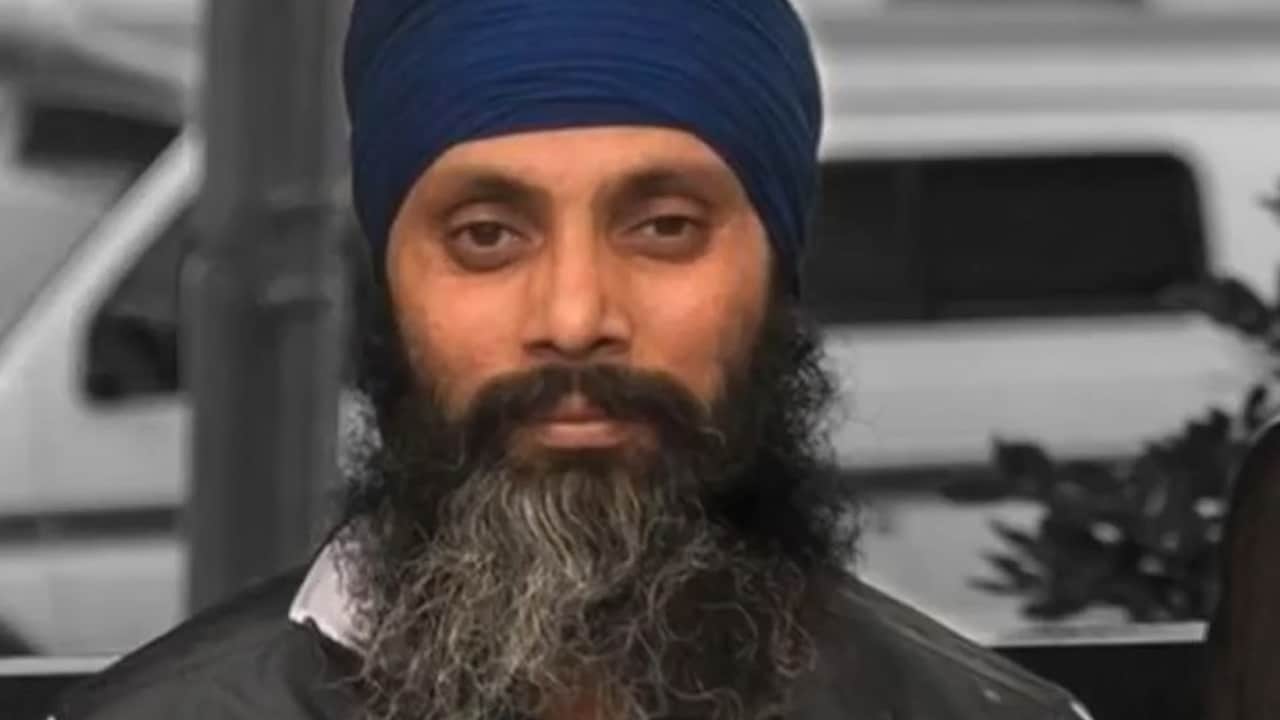
The geopolitical storm that nearly tore India-Canada relations apart has just taken a massive, unexpected turn. For nearly three years, global headlines hammered a single narrative. The story went that Indian government agents orchestrated the June 2023 killing of Khalistani separatist Hardeep Singh Nijjar outside a temple in Surrey, British Columbia. Former Canadian Prime Minister Justin Trudeau famously stood up in Parliament to announce "credible allegations" linking New Delhi to the hit. Diplomatic ties collapsed. Ambassadorships were frozen. Sanctions and expulsions followed.
Now, that entire narrative has been turned upside down.
Canada’s federal police, the Royal Canadian Mounted Police (RCMP), formally announced they found no evidence linking Indian government officials to the Hardeep Singh Nijjar killing. The bombshell revelation arrived alongside a massive multi-jurisdictional crackdown by United States prosecutors. It turns out the assassination wasn't a state-sponsored black-ops mission. It was a contract hit ordered by an international organized crime syndicate.
This update answers the burning question that observers have asked since 2023. Where was the definitive proof? It didn't exist. Law enforcement data shows that the political rhetoric outpaced the actual forensic investigation by a wide margin.
Inside Operation Hard Ball and the Real Suspects
The truth came to light through a massive, years-long international effort called Operation Hard Ball. Led by the US Federal Bureau of Investigation (FBI), alongside the RCMP and European police agencies, the operation targeted transnational crime syndicates operating across borders.
When the US Department of Justice unsealed its indictments in California, the real architects of the murder were finally named. The American indictments explicitly charge jailed gangster Lawrence Bishnoi and his top lieutenant, Satinderjeet Singh, better known as Goldy Brar, with ordering the assassination of Hardeep Singh Nijjar.
The scope of this criminal network is staggering. Operation Hard Ball resulted in the arrest of 24 people across the United States, Canada, and Europe. Law enforcement executed 23 search warrants in Sacramento and another 11 in Los Angeles. They seized roughly 1,000 kilograms of cocaine, a kilogram of heroin, heavily armed weapon caches, and significant amounts of cash. In total, 37 defendants face charges across three separate indictments.
The US prosecutors laid out a terrifyingly simple reality. Bishnoi did not need a government handler to pull this off. He ran the entire operation using smuggled mobile phones from his prison cell inside India’s Sabarmati Central Jail in Gujarat. He passed photos and addresses of the target to his North American network, which then executed the hit. The American indictment makes absolutely no mention of Indian state involvement.
How the Political Narrative Outran the Facts
RCMP Deputy Commissioner Lisa Moreland clarified the situation in a direct interview with CBC News. When asked point-blank about the previous allegations against Indian officials, her response was clear. She stated that nothing in this vast organized crime investigation links Indian government representatives to the crime. She emphasized that the investigation is active, but firmly reiterated that no evidence suggests state involvement.
This marks a total reversal from the political theatre of late 2023 and 2024. Why did the Canadian government jump the gun so dramatically?
In intelligence work, chatter and raw data often create smoke. But smoke isn't a courtroom conviction. It appears Canadian intelligence intercepted vague communications regarding threats to separatist figures and prematurely attributed them to official state orders. They confused the actions of a brutal, hyper-aggressive Indian gang network with the actions of the Indian state itself.
New Delhi rejected the allegations from day one, calling them absurd and politically motivated. Indian diplomats repeatedly pointed out that Canada’s loose immigration policies allowed known gang members, extortionists, and violent criminals from Punjab to establish deep roots in British Columbia and Alberta. For years, India sent extradition requests that sat gathering dust in Ottawa. The sudden unsealing of the US indictments proves that India’s warnings about these syndicates were accurate all along.
The Anatomy of the Bishnoi Crime Syndicate
To understand how this happened, you have to understand the sheer reach of the Lawrence Bishnoi gang. This isn't a street crew. It is a highly sophisticated, global enterprise mirroring the structure of traditional cartels.
Bishnoi has been behind bars since 2015, yet his power has only grown. His organization handles high-stakes extortion, drug trafficking across international borders, contract killings, and weapons smuggling. They gained international notoriety in 2022 for the high-profile assassination of Punjabi singer Sidhu Moose Wala in India.
The gang operates via a decentralized hub-and-spoke model:
- The Command Hub: Lawrence Bishnoi coordinates high-level hits and strategic decisions directly from high-security Indian prisons using encrypted apps on contraband devices.
- The North American Operations: Goldy Brar manages logistics, drug distribution, and enforcement squads across Canada and the US west coast.
- The European Logistics: Rohit Godara runs the network’s footprints across European transit points, ensuring supply lines stay open.
- Local Hit Squads: The gang recruits vulnerable, young temporary residents or local gang affiliates in Canadian cities like Edmonton and Surrey to carry out the physical violence.
In May 2024, Canadian police arrested three Indian nationals—Karan Brar, Kamalpreet Singh, and Karanpreet Singh—in Edmonton. They were charged with first-degree murder for the physical shooting of Nijjar. At the time, partisan voices claimed these young men were secret government operatives. The unsealed FBI documents reveal a far more mundane, dark truth. They were low-level foot soldiers in a transnational gang war, taking orders from a cartel boss located thousands of miles away.
Rebuilding the Broken Bridges Between New Delhi and Ottawa
The timing of this revelation is crucial. The extreme diplomatic freeze between India and Canada has already started to thaw, largely due to a change in Canadian political leadership. Following the exit of Justin Trudeau, Prime Minister Mark Carney took office in March 2025 and immediately set out to repair Canada’s fractured global alliances.
Carney’s visit to India in mid-2025 signaled a pragmatic shift. The two nations quietly agreed to normalize diplomatic footprints and resume critical trade discussions. Behind the scenes, security officials finally began talking to each other instead of shouting through the press. Canada’s National Security and Intelligence Advisor traveled to India in late 2025. This was followed by Indian National Security Advisor Ajit Doval visiting Ottawa in February 2026.
These meetings set the stage for the law enforcement cooperation we are seeing today. Deputy Commissioner Moreland specifically acknowledged that the Indian government provided cooperation during this organized crime probe. The cooperative approach yielded actual results, unlike the public finger-pointing of the past.
Next Steps for Border Security and Policy
The collapse of the state-sponsored murder theory leaves both nations with a clearer, more urgent problem to solve. Transnational crime syndicates are actively exploiting western immigration systems to run global operations.
If you want to see where the real work needs to happen next, look at the systemic gaps exposed by this case.
First, Canada must completely overhaul its background vetting for temporary visas and student pathways. Several individuals tied to the Bishnoi gang entered North America on student or temporary work permits despite having active criminal links in India. Vetting must involve real-time integration with international police databases, not just basic paperwork checks.
Second, diplomatic channels must focus heavily on fast-tracking pending extradition requests. When one country flags an individual as an active leader in an organized crime group, political asylum or immigration delays should not serve as a shield.
The era of using the Nijjar case as a political football is over. The facts are on the table, the indictments are unsealed, and the path forward requires hard-nosed law enforcement collaboration, not empty political grandstanding. Security agencies across the US, Canada, and India need to keep their focus entirely on breaking the back of these global syndicates. It's time to let the prosecutors finish the job in court.