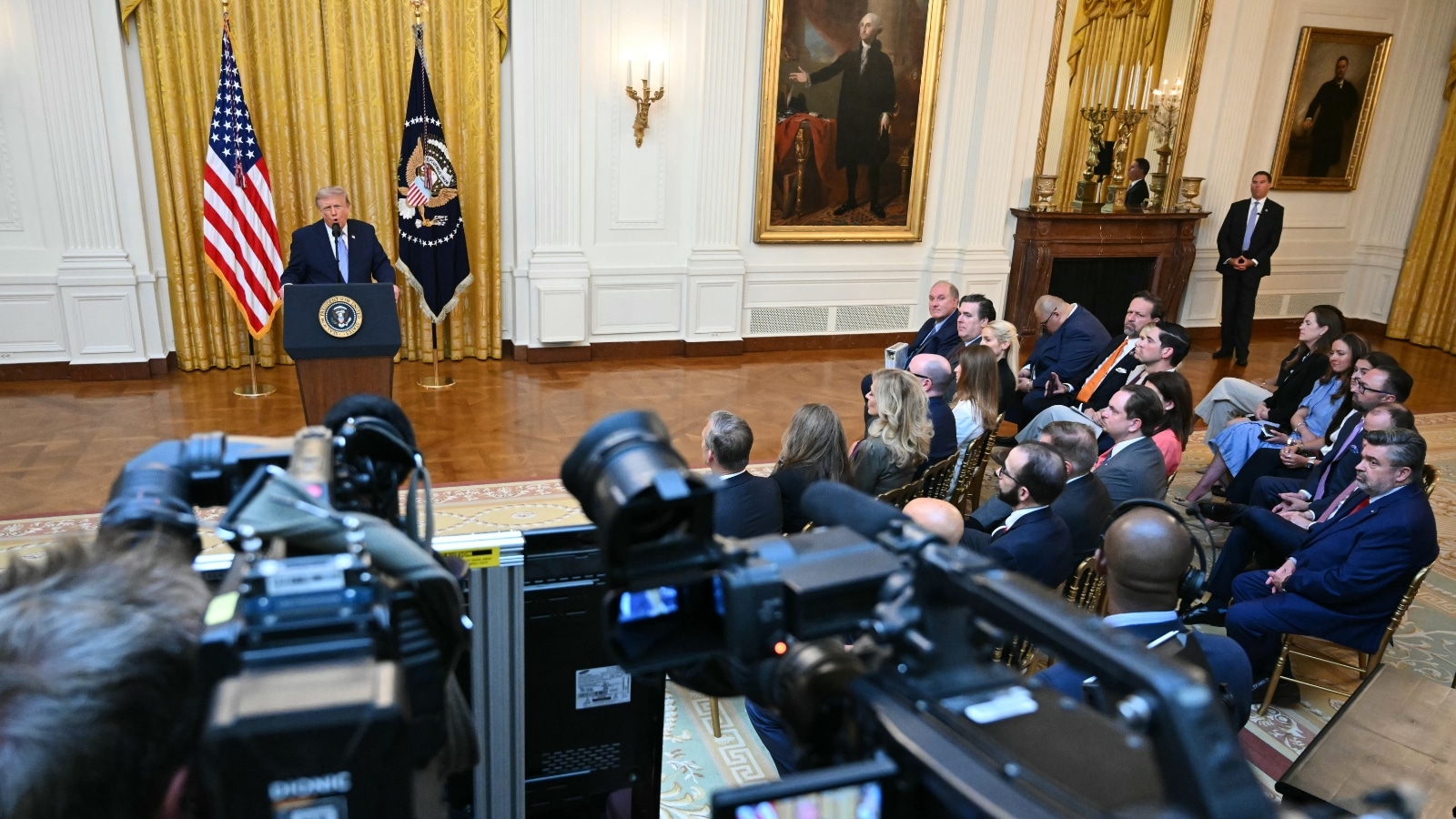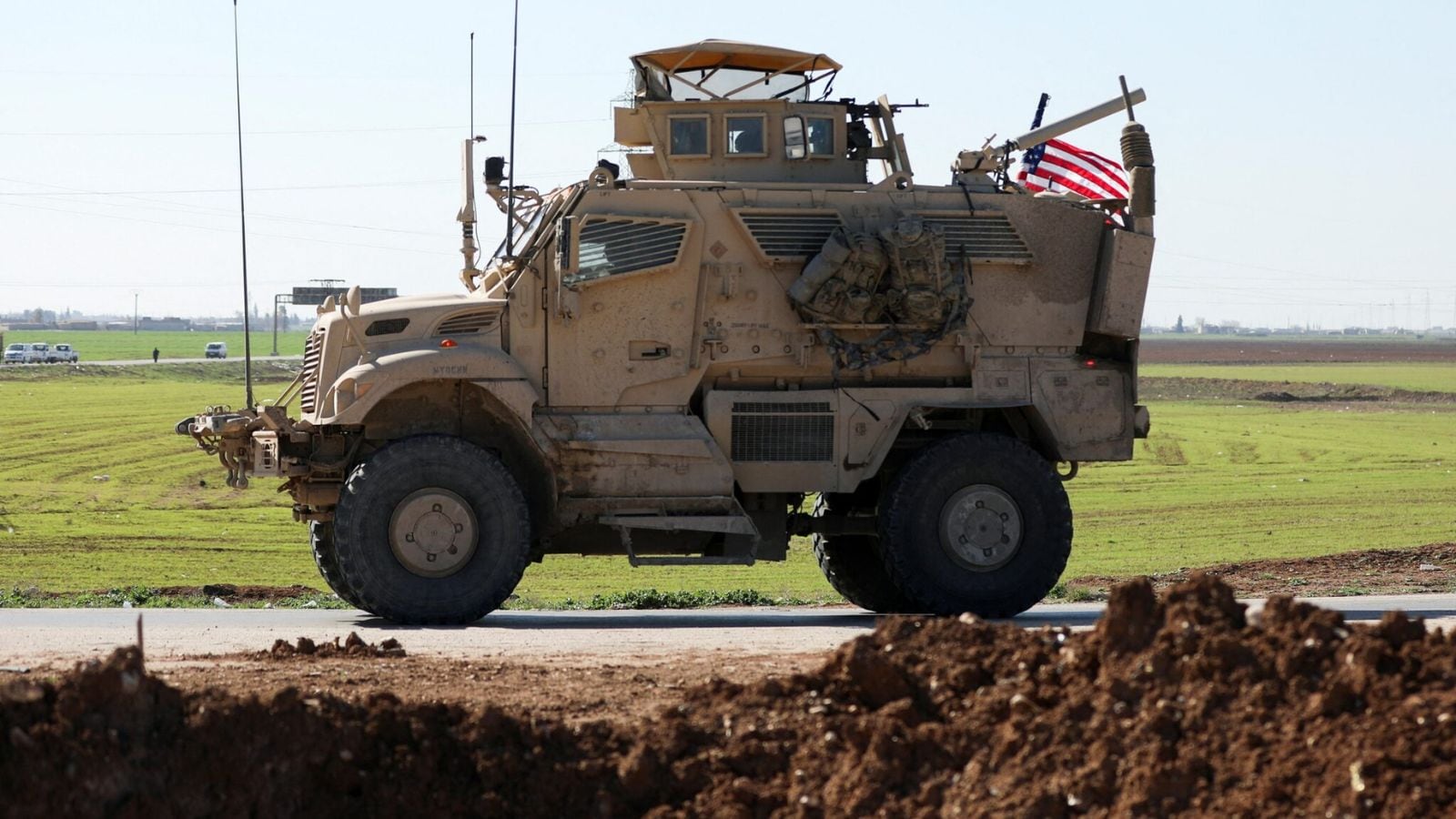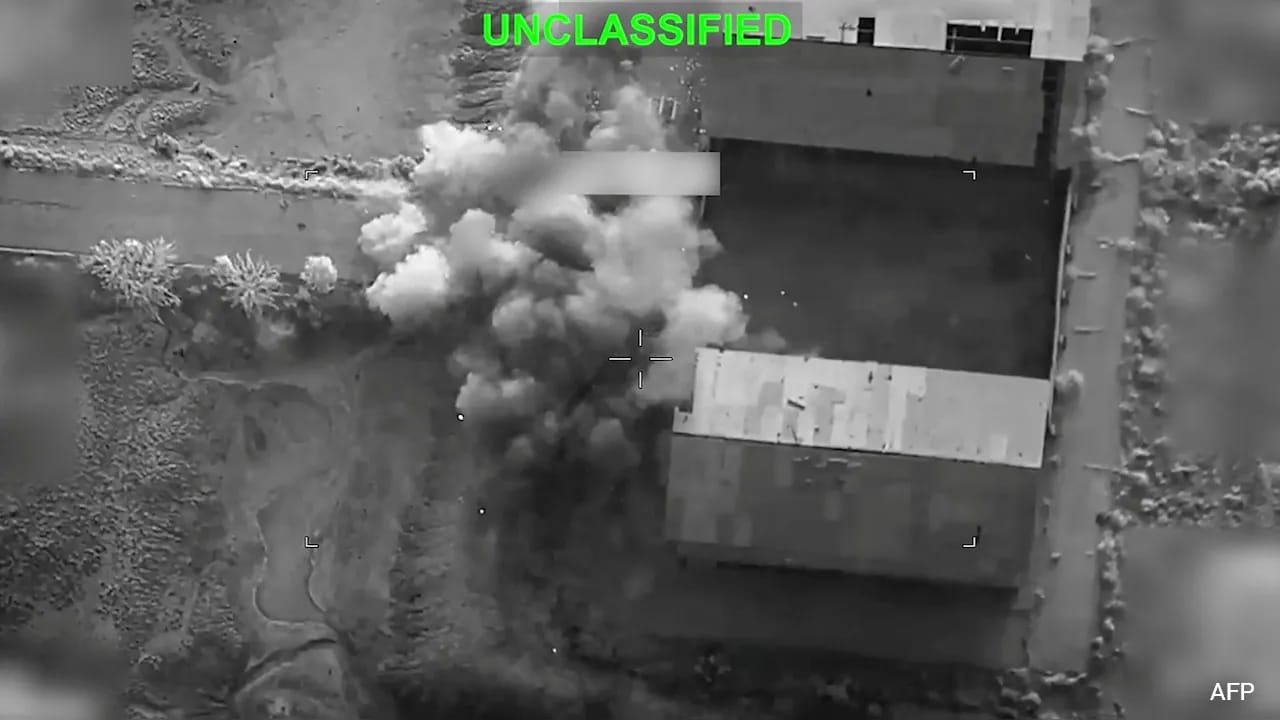
When headlines scream that the US military is blowing up bridges, airports, and train stations in Iran, people panic. It sounds like the opening salvo of World War III. You picture fighter jets screaming over Tehran, air defense sirens wailing, and a direct, catastrophic war between two heavily armed nations.
But there is a massive problem with those headlines.
They are wrong.
The US military does not launch airstrikes inside the sovereign borders of Iran. Doing so would trigger an all-out regional war that neither Washington nor Tehran actually wants. Instead, what you are seeing when these headlines pop up is a classic case of geographic confusion and sensationalized reporting.
To understand what is actually happening when "US targets Iranian infrastructure" makes the front page, you have to look at the messy, violent reality of proxy warfare. Let's unpack what is really going on, why specific infrastructure gets targeted, and how you can spot the difference between clickbait and geopolitical reality.
The Truth Behind Those Sensational Military Headlines
Whenever you see a report claiming the US has struck targets "in Iran," you need to look at the dateline immediately. Almost every single time, those strikes actually took place in western Iraq, eastern Syria, or the rugged mountains of Yemen.
There is a huge difference.
The US military frequently targets the Islamic Revolutionary Guard Corps (IRGC) Quds Force and its allied militias. But they do this on foreign soil. They hit them in places where the central government is either too weak to stop them or actively complicit in hosting them.
Think about the strategic border towns of Al-Bukamal in Syria and Al-Qaim in Iraq. This border crossing is the beating heart of Iran's land corridor to the Mediterranean. When the US launches retaliatory strikes, this is where the bombs fall.
So why do news outlets sometimes run confusing headlines?
Honestly, it is a mix of sloppy editing and a desire for clicks. Writing "US strikes Iranian targets" is technically accurate if the targets are IRGC bases or proxy ammunition depots. But lazy readers—and sometimes lazy writers—truncate that to "US strikes Iran."
That one missing word changes the entire geopolitical landscape.
If the US actually bombed a train station inside Iran, it would be an act of war. When the US bombs a logistics hub run by an Iranian-backed militia in Syria, it is a Tuesday. It is a carefully calibrated message designed to degrade military capabilities without crossing the red line that triggers a total regional conflagration.
Why the US Targets Specific Logistics Infrastructure
When the military decides to retaliate against hostile groups, they do not just pick targets at random. They go after the nervous system of the supply chain. This is why you constantly hear about bridges, airfields, and transport hubs getting hit.
The Power of the Land Bridge
Iran has spent decades building a contiguous overland transport route. It runs from Tehran, through Baghdad, across the Syrian desert, and all the way to Beirut.
They use this highway to move everything.
- Precision-guided munitions
- Drone components
- Raw rocket propellant
- Fighter deployments
Bridges are the ultimate choke points. If you destroy a key bridge over the Euphrates River near Deir ez-Zor, you do not just stop a convoy for an afternoon. You force the enemy to find alternative, longer routes. Those alternative routes expose their convoys to aerial surveillance and make them much easier to track and destroy later.
Airfields and Tactical Striking Power
When the US hits an airfield or airport used by these groups, they are not looking to permanently destroy civilian aviation. They want to wreck the runways and hangars used to assemble and launch one-way attack drones.
These unmanned aerial vehicles are cheap to build but incredibly destructive. By targeting the specific airport infrastructure where these drones are stored, prepped, and fueled, the US can neutralize a threat before the drones ever get off the ground.
It is about denial of access. You take away the flat asphalt they need to operate, and you force them into less effective, improvised launch sites.
The Human and Political Cost of Proxy Escalation
Let's talk about the casualties. Headlines often lead with numbers like "7 killed" or "15 dead."
Who are these people?
In almost every verified US strike in these sectors, the casualties are local militia fighters, foreign logistics experts, or IRGC advisors. They are not random Iranian civilians catching a train in Tehran. They are active participants in a highly organized paramilitary network.
But that does not mean civilian risk is zero.
Because these militia groups know they are targeted from the air, they deliberately blend into local populations. They store missiles in residential basements. They park mobile rocket launchers next to schools. They set up command offices in civilian neighborhoods.
When a precision strike hits a nearby bridge or a shared transport hub, the collateral damage can be devastating for the local Syrian or Iraqi families caught in the crossfire. They are the ones who pay the highest price for a conflict they never asked for.
How to Read the News Without Panicking About World War III
The next time you see a terrifying headline about US strikes and Iran, do not just share it on social media in a panic. Take a breath and run it through a quick mental filter.
Look for the Actual Location
Read past the first paragraph. Where did the bombs actually drop? If the text says the strikes occurred in the Deir ez-Zor province of Syria or near Baghdad, the conflict is still contained within the established boundaries of proxy warfare.
Check the Target Profiles
Was the target a civilian facility, or was it a dual-use logistics node? Militias frequently commandeer public train stations or local airstrips to move military cargo. Knowing why a location was hit tells you more about the strategic intent than a sensationalized body count.
Cross-Reference with Official Briefings
Before reacting to early, unverified reports, wait for the official statement from US Central Command (CENTCOM). While military public affairs offices spin the news in their favor, they are legally bound to be factually accurate about the geographic coordinates of their operations. If they say they hit targets in Iraq, they hit targets in Iraq.
Your Next Steps for Smarter News Consumption
Getting your news from a single aggregated source is a recipe for anxiety. If you want to stay genuinely informed about Middle Eastern security and US military actions, change how you consume information.
- Follow specialized military outlets: Read publications like Stars and Stripes, Task & Purpose, or the Long War Journal. These writers actually understand military terminology and geography. They do not make lazy errors about where strikes occur.
- Use mapping tools: When a report mentions a specific town or bridge, look it up on a map. Seeing how close Al-Bukamal is to the Iraqi border will instantly show you why that specific bridge is a strategic target.
- Track think tank analysis: Organizations like the Institute for the Study of War (ISW) or the Washington Institute for Near East Policy provide detailed, map-heavy breakdowns of strike campaigns. They explain the strategic "why" behind the targets.
Stop letting sloppy headlines dictate your understanding of global security. Geopolitics is complex, but once you learn to filter out the sensationalism, the real picture becomes much clearer.