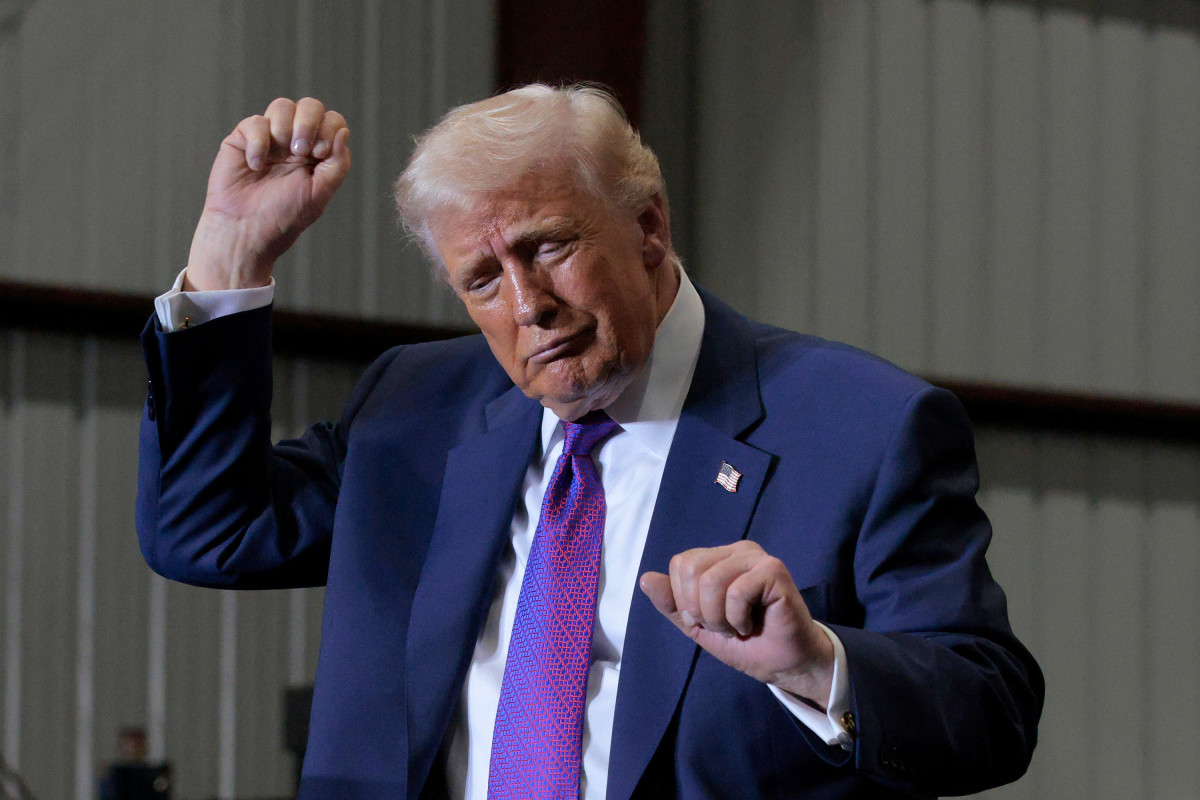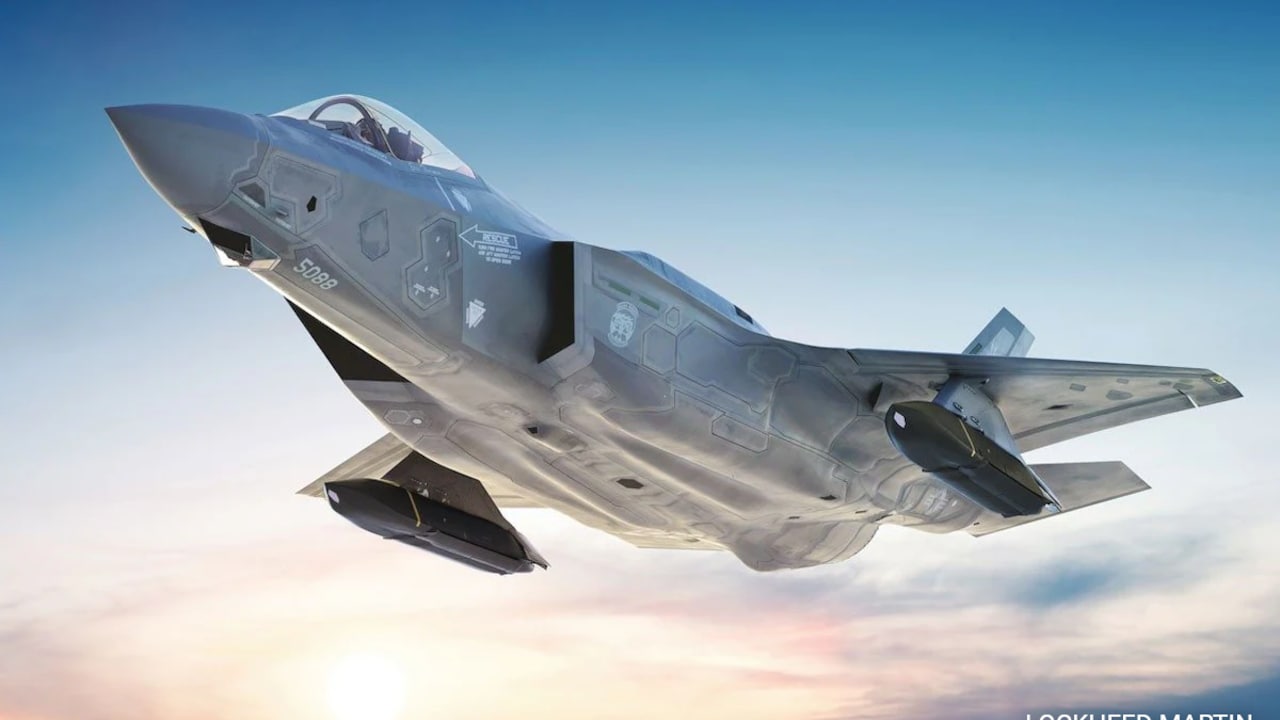
Donald Trump just threw a massive wrench into the gears of Mediterranean geopolitics. Sitting right next to Turkish President Recep Tayyip Erdogan at the NATO summit in Ankara, Trump openly declared that the US will look into selling F-35 fighter jets to Turkey. He even went a step further, announcing his intention to completely strip away the CAATSA sanctions that have strangled Turkey's defense sector for years.
If you think this is just standard diplomatic sweet-talk, you don't know how Trump operates. It's a total reversal of a long-standing American policy.
The move instantly set off alarm bells in Jerusalem and Athens. It bypassed years of careful diplomatic balancing acts. It also flies right in the face of federal law. Under current American legislation, Turkey cannot touch the F-35 program as long as it owns Russian S-400 missile systems. Yet Trump shrugged those rules off with a classic line, calling Turkey more loyal than other allies.
This isn't just about selling a few shiny planes. It's about a complete reshaping of the balance of power in the Middle East and Europe. Here is what's really happening behind closed doors, why Congress is furious, and what this means for the future of global air combat.
The Long Road to Ankara
To understand how bizarre this moment is, we have to look back to 2019. Turkey wasn't just a buyer for the F-35 Lightning II. They were a primary co-development partner. Turkish factories manufactured central fuselage parts, display systems, and missile components. They had invested over a billion dollars into the program.
Then Erdogan bought the S-400 Triumf air defense system from Vladimir Putin.
The Pentagon went into a panic. The core issue wasn't just anger over Turkey buying Russian gear. It was a technical nightmare. If Turkey operated both the S-400 radar and the F-35 stealth fighter simultaneously, the Russian system could potentially track the jet's stealth signature. Putin's engineers could find the gaps in America's premier stealth technology.
So the first Trump administration kicked Turkey out. They halted the delivery of Turkey's owned jets. They slapped sanctions on Turkey's Defense Industry Agency under the Countering America's Adversaries Through Sanctions Act.
For six years, that door remained locked. Turkish pilots went home empty-handed. The relationship soured badly.
Now Trump is back, and he wants to wipe the slate clean. He wants to give Erdogan exactly what he has wanted for over half a decade.
The Legal Wall Trump Has to Climb
Trump loves making grand proclamations, but the law doesn't care about a president's personal chemistry with foreign leaders. Congress deliberately locked down the F-35 ban. They codified it into the National Defense Authorization Act.
The law states that the executive branch cannot deliver F-35s to Turkey unless the administration certifies that Turkey no longer possesses or operates the S-400 system. As of right now, those Russian missiles are still sitting on Turkish soil. Erdogan has refused to get rid of them.
So how does Trump plan to make this happen?
Vice President JD Vance shed some light on the backstage maneuvering. He confirmed that Secretary of Defense Pete Hegseth and the broader security team are running a formal review. They are looking for legal loopholes or creative compliance mechanisms.
One option that defense insiders are whispering about involves moving the S-400s to a secure, US-monitored facility on Turkish soil, or perhaps exporting them to a third party. But Erdogan is a proud nationalist. He doesn't like taking orders from Washington on what he can do with weapons he paid for.
Trump has shown a willingness to bypass congressional holds on weapons sales before. He can declare a national emergency. He can stretch executive authorities. But a bipartisan group of lawmakers is already digging in for a massive fight.
Representatives Mike Lawler and Brad Sherman recently fired off a sharp letter to the White House. They expressed deep concern about arming a leader who has spent the last year trashing Western allies and building tight relationships with Iran. Congress has teeth, and they aren't going to let the F-35 go without a brutal legislative war.
Israel and Greece Are panicking For a Reason
The moment Trump made his comments in Ankara, a wave of anxiety hit the Eastern Mediterranean.
Israeli Prime Minister Benjamin Netanyahu went on American television to voice his absolute opposition. He explicitly stated that Turkey shouldn't get the F-35s or even the American jet engines they've requested for their domestic programs. Israel's entire security strategy relies on maintaining a qualitative military edge over every other nation in the region.
If Turkey gets the F-35, that edge evaporates.
The timing makes this even more explosive. Erdogan has spent months using incredibly harsh rhetoric against Israel regarding the war in Gaza. He has openly met with Hamas leaders. Giving Turkey the most advanced stealth fighter in the world right now looks like a direct betrayal to Jerusalem.
Turkey's Foreign Ministry fired back immediately, calling Israel's protests a coordinated campaign of disinformation meant to distract from the conflict in Gaza.
Then there's Greece. Athens has spent the last few years quietly building up its own air force. They bought French Rafale fighters and secured their own deal for F-35s. Greek planners thought they finally had a technological advantage over their historical rivals in Ankara. If Trump hands the F-35 back to Turkey, the air balance over the Aegean Sea resets to a dangerous stalemate.
The Consolation Prize Worth 700 Million Dollars
While the F-35 grabs the headlines, a much more immediate deal is slipping through the cracks. The Trump administration recently notified Congress of a plan to sell dozens of General Electric F-110 jet engines to Turkey.
This isn't a minor deal. It's worth more than 700 million dollars.
Turkey needs these engines for its own flagship project called the KAAN. The KAAN is Turkey's attempt to build an indigenous fifth-generation stealth fighter. They want to break free from American defense leverage entirely.
But designing a stealth jet is easier than building a reliable engine. Turkey's local aerospace industry simply doesn't have the technology to build a powerplant that can push a stealth fighter past the speed of sound safely. They need American engines to get the KAAN off the ground.
Geopolitical analysts view this engine sale as the low-hanging fruit. It's a way for Trump to show Erdogan good faith without immediately breaking the domestic laws surrounding the F-35. But it's a double-edged sword. By supplying the engines, the US is helping Turkey build a competitor to American aerospace dominance.
Why Trump Is Flipping the Script
Why would Trump take such a massive political risk? Why alienate Israel and Greece to please a mercurial leader like Erdogan?
It comes down to Trump's core view of international relations. He doesn't care about traditional alliance structures or long-term institutional agreements. He cares about personal loyalty and transactional deals.
Trump genuinely likes Erdogan. He views him as a strong leader who gets things done. During the press conference, Trump kept repeating that Turkey has been far more loyal than other countries that the US counts as allies. He praised Turkey for staying out of the recent direct conflicts involving Iran, despite Turkey's tense relationship with Israel.
There's also a massive economic angle. Trump looks at the defense sector through the eyes of a salesman. The F-35 program is expensive. Lockheed Martin needs continuous foreign sales to keep production costs down. If Turkey rejoins the program as a buyer, it means billions of dollars flowing back into American defense factories. To Trump, that means American jobs and a booming economy.
He hates sanctions. He openly said that he doesn't want to sanction friends. In his mind, using economic penalties against a fellow NATO member is counterproductive. It just drives them closer to Russia and China.
What Happens Next in the Defense Sector
The defense industry is moving fast, and this announcement changes the calculus for procurement teams worldwide. If you are tracking defense equities or regional security, you need to watch three specific developments over the coming weeks.
First, keep a close eye on the formal notification process from the State Department to Congress regarding the 700 million dollar GE engine package. Lawmakers have a limited window to register formal objections. If that deal slides through without a veto-proof majority blocking it, it means Trump has successfully cracked the congressional defense embargo.
Second, watch the deployment patterns of Turkey's S-400 systems. Any sudden movement of these batteries to storage or a change in their active status will signal that a backroom deal has been struck to satisfy the legal requirements of the F-35 ban.
Third, monitor Greece and Israel's defense procurement adjustments. If Trump moves forward with Turkey, expect Athens to fast-track their own F-35 deliveries and expect Israel to demand advanced upgrades or increased military aid from Washington to protect their qualitative advantage.
Trump has made his opening move in Ankara. He wants a deal, he wants the sanctions gone, and he wants American planes in the Turkish sky. Now the ball is in Congress's court, and the upcoming legislative battle will determine who actually controls American foreign policy.