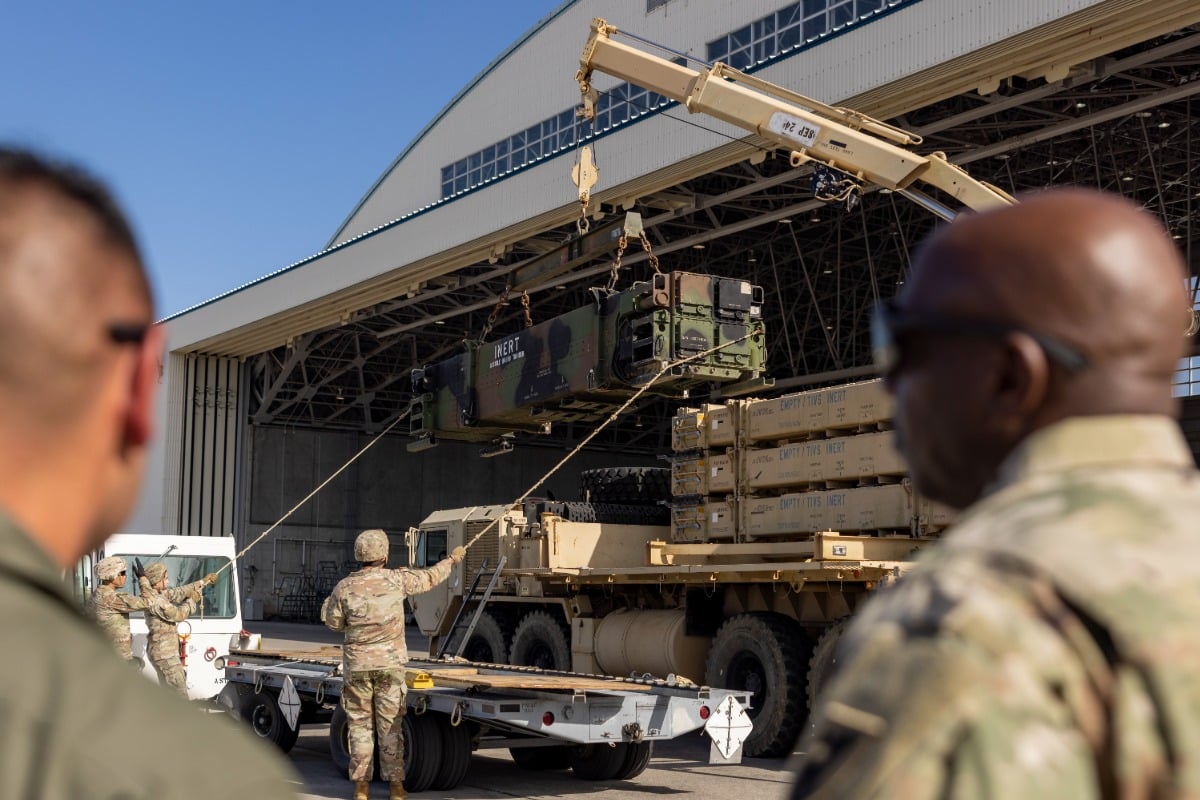
Buying high-tech weapons is easy if you have the cash. Keeping them running during a major continental war is a completely different story.
For decades, European nations treated military procurement like a trip to an American showroom. You buy the shiny hardware, ship it across the Atlantic, and assume the manufacturer will handle the messy details of long-term upkeep. But the war in Ukraine exposed how fragile that logic really is. Air defense interceptors are being burned through at an unprecedented rate, and shipping complex missile systems back to the United States for routine maintenance or repairs creates a dangerous logistical bottleneck.
To fix this, five NATO allies just signed an agreement to establish the first dedicated PAC-3 Patriot missile maintenance facility inside Europe. The deal, signed at the NATO Summit Defense Industry Forum in Ankara, brings together the United States, Poland, Germany, the Netherlands, and Sweden.
This isn't just about cutting down shipping times. It's a fundamental shift in how European defense operates, moving away from simple buying habits toward genuine industrial independence.
Breaking the Transatlantic Bottleneck
Right now, global demand for Lockheed Martin’s Patriot PAC-3 Missile Segment Enhancement (MSE) interceptors is off the charts. The US Army alone wants nearly 2,800 of these interceptors in its upcoming budget cycle. Meanwhile, European air defense stocks are under constant strain as allies try to backfill their own arsenals while continuing to supply Ukraine.
When a Patriot missile system components or its complex interceptors need serious servicing, the pipeline traditionally leads back to the American defense industrial base. That means long transit times, bureaucratic export controls, and competing for priority with the US military's own needs.
A European repair hub changes the calculus. By handling in-region maintenance and sustainment closer to the front lines, the alliance can keep its missile stockpiles ready and rapidly deployable.
The agreement tackles the real issue facing NATO today. It isn't a lack of money. European defense budgets have climbed significantly. The problem is capacity. The defense industry simply can't build or fix things fast enough to match the current threat environment.
The Political Stakes on NATO's Eastern Flank
The announcement carries significant domestic weight, especially for Poland. Polish Defense Minister Władysław Kosiniak-Kamysz used the signing to punch back at domestic political critics who claimed the country was draining its own stocks after donating air defense missiles to Ukraine.
Poland is pushing hard to ensure this facility isn't just a garage for American tech, but a stepping stone toward actual domestic production. Warsaw wants to build PAC-3 interceptors and HIMARS munitions on its own soil, and this maintenance agreement acts as the foot in the door.
Germany is playing a similar hand. Berlin recently pressed Washington for permission to co-produce PAC-3 interceptors locally. While US defense giant Lockheed Martin is welcoming the project, the American government has historically guarded its missile technology licensing with extreme jealousy. A maintenance hub represents a compromise. It allows Europe to take the lead on the lifecycle of the weapons without Washington completely signing over the intellectual property for advanced manufacturing.
What This Means for Future European Air Defense
If you rely entirely on a supply chain that stretches across an ocean, you don't truly control your own defense. The creation of this hub proves that European allies are finally starting to think about the full lifecycle of their weaponry.
We are seeing the emergence of a more decentralized defense network. Instead of everything flowing through single points of failure in the US, regional nodes are taking over. For anyone tracking military readiness, this is the real development to watch. It signals that Europe is preparing for a reality where they must sustain high-intensity operations on their own doorstep, without waiting for permission or parts from across the sea.
The next practical step for these five nations involves finalizing the exact physical location of the facility and integrating local European contractors into Lockheed Martin's strict supply chain. For European defense firms, the race is now on to secure those lucrative technical servicing contracts.