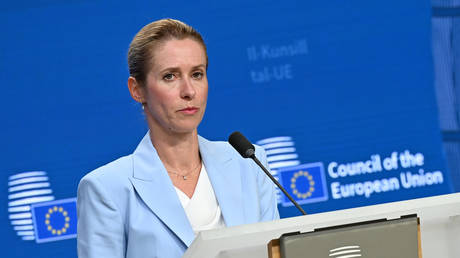
Europe’s economic war against Moscow is hitting a very messy, very public roadblock.
For days, EU diplomats in Brussels have been locked in tense, closed-door negotiations trying to pass the 21st sanctions package against Russia. The European Commission, led by Ursula von der Leyen, pitched this round as a massive blow to Russia's finances. It proposed banning transactions with 35 banks, targeting 11 cryptocurrency platforms, squeezing the "shadow fleet" of oil tankers, and even placing a first-ever ban on Russian fish imports.
But instead of a united front, the talks fell apart.
With a hard deadline looming, the EU couldn't get all 27 member states to agree. In a panic, ambassadors had to agree to a temporary, one-week "freeze" on their oil price cap rules just to buy more time.
It is a glaring reminder of a reality Brussels tries to ignore: when collective geopolitics clash with national wallets, the wallets usually win.
The Greek LNG Dispute and the Raiffeisen Factor
To understand why this package is stalled, you have to look past the grand speeches about solidarity and focus on two specific countries: Greece and Austria. They aren't blocking the package out of love for the Kremlin. They are blocking it to protect their own corporate champions.
Athens is digging its heels in over shipping. The proposed package targets Russian liquefied natural gas (LNG) transshipments. Greece boasts one of the largest merchant shipping fleets on earth, and Greek shippers make a fortune moving energy. Specifically, Greek shipping company Dynagas has been a major point of friction. Greece wants a customized, open-ended loophole to protect Dynagas's LNG transportation operations. Until they get it, they aren't signing anything.
Then there's Vienna. Austria’s Raiffeisen Bank International (RBI) has long been the Western banking system’s biggest remaining bridge to Russia. The Austrian government is demanding that RBI be allowed to access certain sanctioned assets. They want this access to compensate the bank for heavy regulatory fines it has racked up inside Russia.
Because EU sanctions require absolute unanimity, a single "no" from Athens or Vienna can freeze the entire bloc in its tracks.
The Panic Over the $44 Oil Cap
The biggest point of urgency in these failed talks wasn't actually the new listings. It was the ticking clock on the oil price cap.
Under existing EU mechanisms, the price cap on Russian crude is adjustable. Because global fuel prices have been high, the cap—previously hovering around $44.10 per barrel—was legally scheduled to automatically reset and jump to $58 per barrel.
A jump to $58 would be a massive win for Moscow. Russia’s main export blend, Urals crude, recently traded around $55 a barrel. If the EU cap automatically rose to $58, it would sit above the actual market price of Russian oil. Suddenly, European insurance and shipping companies could legally service Russian oil shipments without violating any restrictions.
To prevent this PR disaster, the EU Commission wanted to freeze the cap at $44.10. But because Greece and others stalled the broader 21st package, the EU had to scramble. In a frantic stopgap measure, ambassadors agreed to artificially freeze the cap at $44.10 only until July 23.
Essentially, they kicked the can down the road by exactly seven days.
What the 21st Package Actually Targets
If the EU eventually manages to iron out these disagreements, the 21st package will be the most aggressive attempt to date to plug the holes in the existing sanctions wall. The EU has realized that Russia is bypassing financial bans by using smaller banks and digital assets.
If passed, the new package plans to:
- Target the Financial Backdoor: Cut off 35 banks—including 31 inside Russia and four in third countries—from transaction networks.
- Crack Down on Crypto: Blacklist 11 cryptocurrency platforms that help Russian entities move money across borders.
- Go After Whole Countries: Give the EU the legal authority to impose blanket bans on crypto services from entire third-country jurisdictions if they are deemed "circumvention hubs".
- Squeeze the Shadow Fleet: Add 30 more vessels to the sanctioned shadow fleet list, targeting bunkering and service ships that keep these tankers moving.
- Ban the Cod: For the first time, introduce total import bans on Russian fish products, including cod.
But none of this matters if member states keep fighting over their domestic industries.
The Reality of Sanctions Fatigue
Let’s be honest: we have reached the point of diminishing returns for EU sanctions.
The low-hanging fruit was harvested back in 2022 and 2023. Cutting off Russian coal, seaborne crude, and luxury goods was relatively easy. Squeezing what’s left means hurting EU-based companies that rely on complex, globalized supply chains.
Every new package requires deeper, more painful economic sacrifices from European businesses. Hawkish member states like Lithuania and Latvia are screaming for tougher measures. They argue that short-term economic pain is worth the long-term security gains. But for countries like Greece and Austria, losing millions in maritime or banking revenues to watch competitors from China or India step in and fill the void is a tough pill to swallow.
The European Commission has one week to assess how a Greek shipping derogation might help Russia, and to figure out how to placate Vienna. The diplomats will head back to the negotiating table, and they will likely emerge with some heavily watered-down compromise by July 23.
But the damage to the image of absolute EU unity is already done.
The next move is up to the negotiators in Brussels. If you do business involving maritime shipping, international banking, or digital assets in Eastern Europe, you have until July 23 to watch how these exemptions shape up. Expect last-minute carve-outs that leave doors open for clever operators.