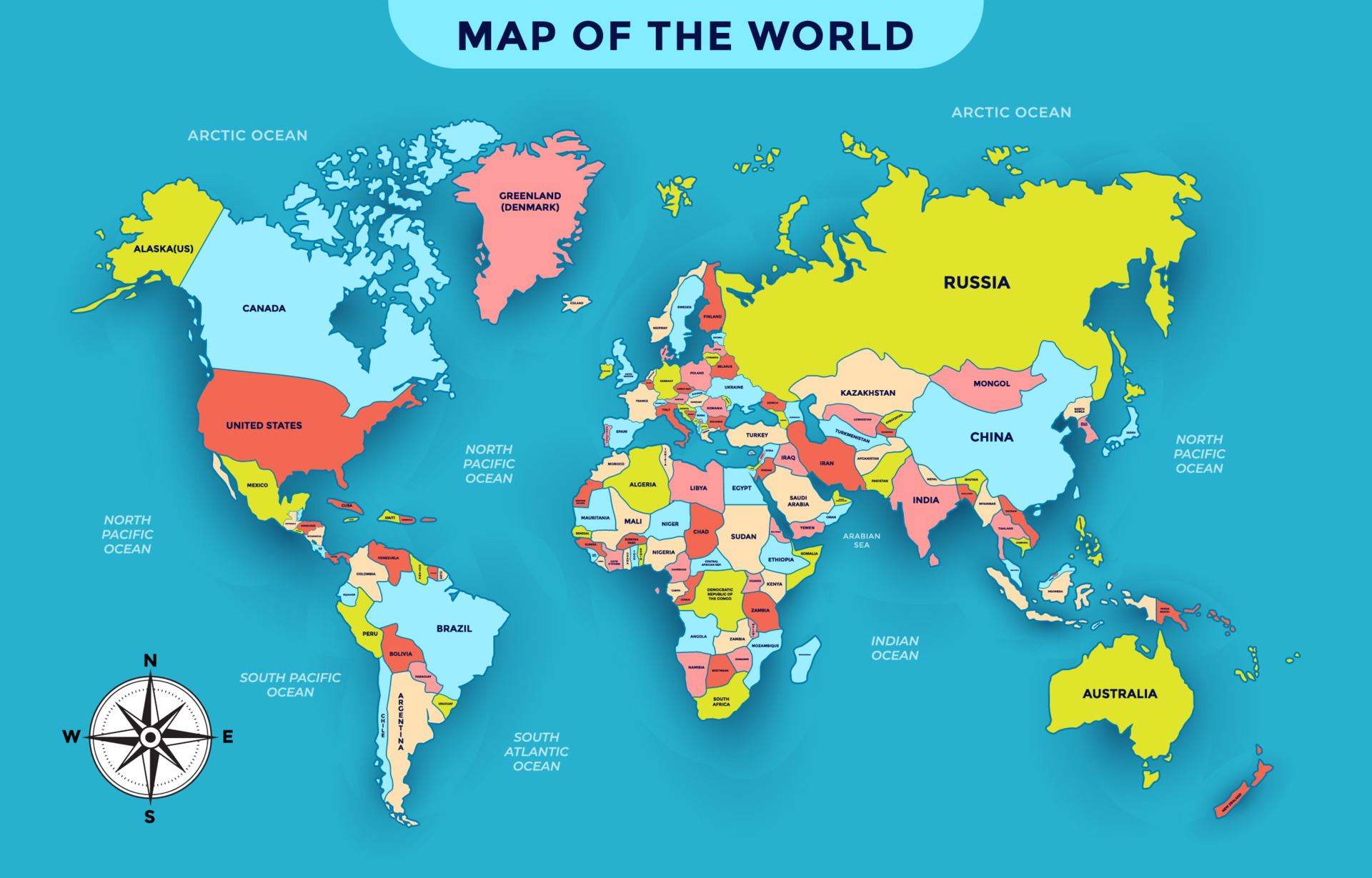
If you look at a map of global trade, you quickly realize how much of the world's wealth squeezes through a single, terrifyingly narrow strip of water. That strip is the Strait of Hormuz. For decades, the global economy has tolerated the anxiety of shipping trillions of dollars in oil and consumer goods past the hostile coastline of Iran.
But a recent report from the Financial Times reveals that DP World, Dubai's state-owned ports giant, is quietly planning a massive escape hatch.
According to people familiar with the matter, DP World is studying plans to build a major new port on the United Arab Emirates' eastern coast. This is not just another port expansion. It is a strategic hedge against geopolitical instability. By establishing a massive container and multipurpose terminal outside the Persian Gulf, the UAE aims to offer global shipping lines a way to completely bypass the Strait of Hormuz.
For anyone running a supply chain, investing in maritime logistics, or tracking Middle Eastern geopolitics, this is the most significant infrastructure shift in the region in decades. Let's look at why this is happening now, what it means for global shipping, and how it will alter the flow of cargo.
The choke point keeping shipping executives awake at night
To understand why DP World is willing to spend billions on a new port, you have to understand the sheer stress of navigating the Strait of Hormuz.
The strait is a narrow waterway between Oman and Iran. At its narrowest point, the shipping lanes are only two miles wide in either direction. Through this tiny corridor passes roughly a fifth of the world's liquid petroleum and vast volumes of containerized cargo destined for the booming economies of the Gulf.
It is also one of the most volatile military flashpoints on earth.
When regional tensions spike, the Strait of Hormuz becomes a weapon. Iran has repeatedly threatened to close the strait, used sea mines, and seized commercial tankers. For shipping companies, this is a financial nightmare.
The moment a tanker or container ship enters the Gulf, it enters a zone of heightened risk. Shipping lines do not just worry about losing a ship; they worry about the math. Here is what actually happens when tensions rise:
- War risk premiums skyrocket. Insurance underwriters charge massive surcharges just for a vessel to enter the Persian Gulf. These fees can climb by tens of thousands of dollars per voyage overnight.
- Transit times become unpredictable. Ships must slow down, change routes, or wait in safe waters, throwing global schedules into chaos.
- Crew costs climb. Seafarers demand hazard pay to sail through high-risk zones.
By building a major container port on the eastern coast of the UAE—facing the Gulf of Oman and the open Indian Ocean—DP World is offering a way out. Ships can pull up to a dock, unload their cargo, and head back out to the ocean without ever touching the Persian Gulf or crossing the Strait of Hormuz.
Why Jebel Ali is no longer enough
For years, DP World’s crown jewel has been Jebel Ali Port in Dubai. It is a colossal achievement. Jebel Ali is the largest man-made harbor in the world and the busiest port in the Middle East, handling over 14 million TEUs (twenty-foot equivalent units) of cargo a year.
But Jebel Ali has one glaring vulnerability. It sits deep inside the Persian Gulf.
If the Strait of Hormuz is blocked or becomes too dangerous to navigate, Jebel Ali is effectively cut off from the rest of the world. Dubai's entire economic model relies on being a global trading hub. Having your primary economic engine locked behind a fragile strategic bottleneck is a massive long-term risk.
I have watched logistics planners struggle with this reality for years. They love Jebel Ali's efficiency, but they hate its geography.
A new east coast port changes the equation. It allows DP World to offer a dual-port strategy. High-value cargo or goods destined for immediate transit can land on the east coast, while heavy industrial goods can still utilize Jebel Ali when conditions are stable. It turns a single point of failure into a redundant, resilient network.
The quiet rise of the UAE east coast
The UAE's eastern coast is already a critical energy hub. Fujairah, the main emirate on the east coast, hosts one of the world's largest bunkering (vessel refueling) hubs and a massive oil export terminal.
The UAE built the Habshan-Fujairah oil pipeline specifically to bypass Hormuz. That pipeline carries up to 1.5 million barrels of crude oil per day from Abu Dhabi's western fields straight to the east coast, where tankers load it safely in the open ocean.
But oil is only part of the story. Modern commerce runs on container ships.
While the port of Khor Fakkan (operated by Gulftainer in the emirate of Sharjah) and the Port of Fujairah already handle some container traffic on the east coast, they do not have the scale or the integrated logistics network to handle the sheer volume that DP World is planning. DP World is looking to build something on a completely different scale.
The magic ingredient that makes this plan viable now—whereas it might have failed a decade ago—is the Etihad Rail network.
The UAE has spent years constructing a national railway system that now connects the country's major industrial centers, western ports, and the eastern coast. If DP World builds a massive container port on the east coast, they do not have to rely on slow, expensive truck convoys to move goods over the mountains to Dubai and Abu Dhabi.
Instead, a container can be lifted off a ship in the morning, loaded onto a freight train, and sit in a warehouse in Dubai's industrial zone by the afternoon. The railway makes the bypass fast, efficient, and commercially competitive.
The hidden costs of bypassing the strait
Let's be realistic. Bypassing the Strait of Hormuz is not a free lunch. There are significant operational trade-offs that shippers will have to calculate.
First, you have the issue of double handling. It is always cheaper to keep a container on a ship and sail it directly to its final destination than it is to unload it, put it on a train, and truck it to its destination. This "land bridge" concept introduces extra steps, extra equipment, and extra labor.
If the Persian Gulf is peaceful and insurance rates are low, shipping lines will still prefer to sail directly to Jebel Ali or Abu Dhabi's Khalifa Port. The direct sea route remains the most cost-effective path for daily operations.
Second, the construction of a deep-water port capable of handling modern ultra-large container vessels (which can carry over 20,000 containers) requires monumental capital expenditure. Dredging deep channels, building massive breakwaters to protect against Indian Ocean swells, and installing high-speed gantry cranes costs billions. DP World will need to charge premium rates to recoup that investment, meaning the east coast port might operate as a premium, high-security option rather than a cheap alternative.
We should view this project as a giant insurance policy. You hope you don't have to use it constantly, but you are incredibly glad you have it when things go wrong.
How this reshapes Middle East logistics competition
DP World's move is a direct shot across the bow of its regional competitors, particularly Oman.
Oman has spent the last two decades positioning itself as the natural alternative to the Persian Gulf. Ports like Sohar and Salalah sit outside the Strait of Hormuz and have clawed away market share by offering shipping lines a way to avoid the Gulf's geopolitical drama. Oman has built its entire maritime strategy around this geographic advantage.
If DP World establishes a world-class, rail-connected port on the UAE's east coast, it strips away Oman's main selling point. The UAE offers a much larger domestic market, superior logistics infrastructure, and the massive financial muscle of Dubai.
This project also fits into a broader global trend of supply chain decoupling and regionalization. We are seeing countries everywhere realize that just-in-time supply chains are too fragile. From the Red Sea shipping crisis to tension in the South China Sea, the world is moving toward "just-in-case" logistics.
DP World's planned port is the physical manifestation of just-in-case logistics.
Your next strategic moves
If you are involved in international trade, manufacturing, or supply chain management, you should not wait for the first shovel to hit the dirt on this new port to adapt your strategy. Here is what you should start doing now:
- Map your Hormuz exposure. Calculate exactly what percentage of your components, raw materials, or finished goods pass through the Strait of Hormuz. If that number is over 30%, you have a concentration risk that you need to actively manage.
- Audit your logistics partners. Ask your freight forwarders and shipping lines about their contingency plans for Gulf disruptions. Do they have agreements with overland transport providers in the UAE? Can they utilize the existing Etihad Rail network?
- Explore alternative hubs. Look closely at how you can utilize current east coast options like Fujairah or Khor Fakkan for high-value, time-sensitive cargo. Transitioning some of your flow now will help you build the operational relationships you will need if a crisis forces everyone to scramble for east coast capacity.
The shipping world is changing. The era of relying on unstable maritime bottlenecks is drawing to a close, and those who adapt first will be the ones who keep their goods moving when the next crisis hits.