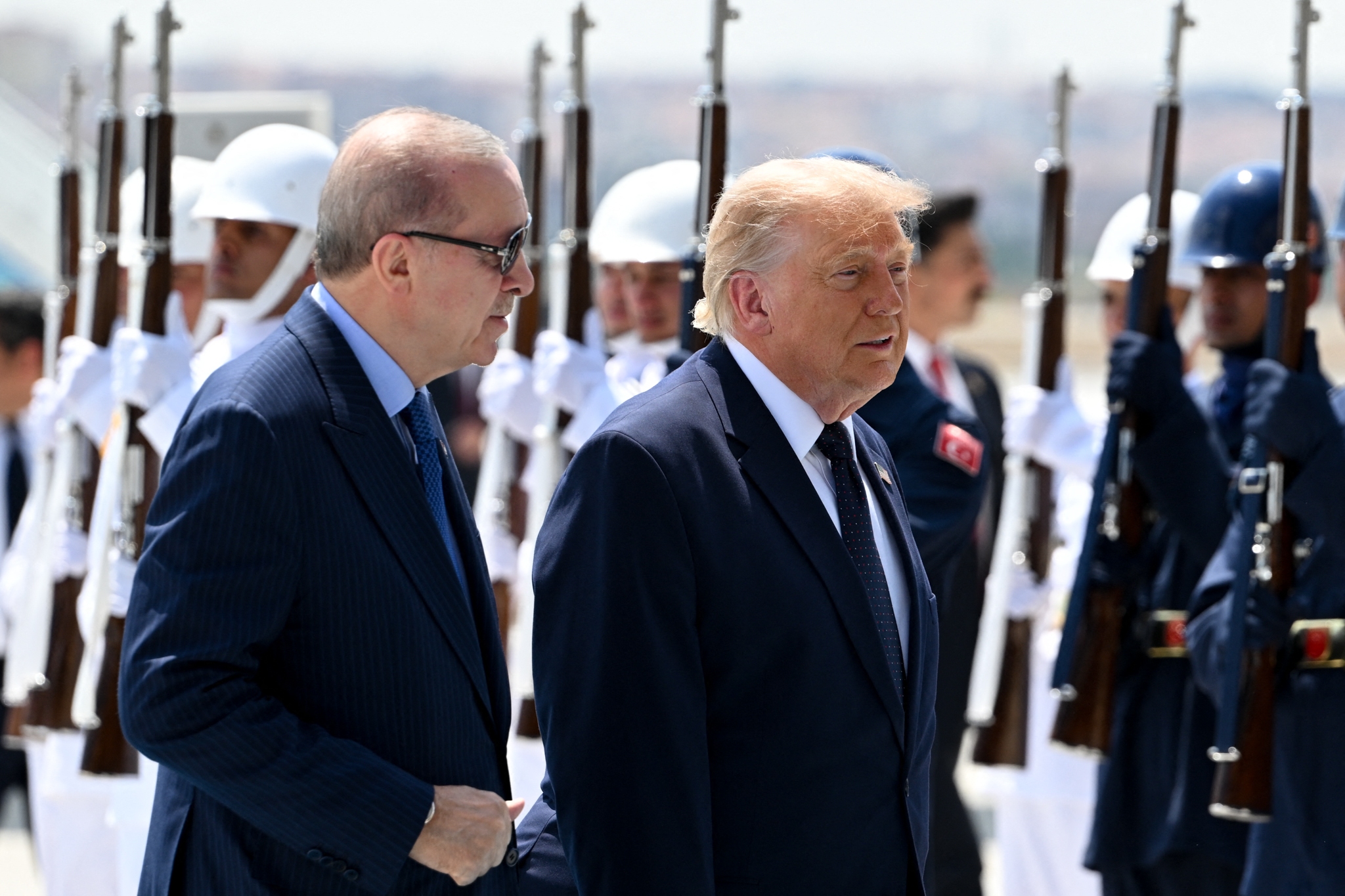
The illusion of peace in the Middle East just shattered in less than twenty-four hours. Speaking from the NATO summit in Ankara, Turkey, President Donald Trump declared that the fragile US-Iran ceasefire is officially over. He didn't mince words. He called the Iranian leadership scum, liars, and cuckoo.
This isn't just standard political theater. It's a rapid return to open conflict that caught global markets and European allies completely off guard.
If you've been tracking the brief diplomatic window that opened in mid-June, you know how high the stakes were. The preliminary peace agreement signed on June 17 was supposed to buy sixty days of calm. The goal was to open the Strait of Hormuz, fix the oil shipping crisis, and figure out a long-term nuclear deal. Instead, the agreement lasted less than three weeks.
Now, we're looking at a massive escalation. Oil prices are spiking. Missiles are flying. Allies are fighting behind closed doors. Here is what's actually happening on the ground and what it means for global security.
The Trigger Points and the Midnight Strikes
The truce didn't just fade away. It blew up.
Everything started sliding downhill when the US Treasury revoked a temporary general license that allowed Tehran to export some of its oil. Iran reacted fast. On Monday and Tuesday, three commercial tankers transiting the critical Strait of Hormuz came under attack. The targeted vessels included the Marshall Islands-flagged M/T Al Rekayyat, the Saudi Arabia-flagged M/T Wedyan, and the Liberian-flagged M/T Cyprus Prosperity.
Washington viewed this as a direct breach of the June truce. The military response was massive.
Inside the US and Iranian Military Exchanges
On Tuesday night, US Central Command ordered a wave of heavy offensive strikes across southern Iran. This wasn't a minor warning shot. US forces hit more than 80 specific targets. The bombardment focused heavily on Hormozgan province and the port city of Mahshahr.
The primary objectives included:
- Coastal radar sites tracking international shipping.
- Advanced air defense batteries along the Persian Gulf.
- Command and control networks managing regional operations.
- More than 60 Islamic Revolutionary Guard Corps (IRGC) fast-attack small boats.
Tehran didn't back down. Within hours, the IRGC launched its own retaliatory strikes early Wednesday morning. They targeted 85 distinct US military facilities and host installations across the Gulf.
Heavy missile and drone salvos hammered Salman Port in Bahrain, which serves as the primary base for the US Navy’s Fifth Fleet. Simultaneously, projectiles targeted the Ali Al Salem Air Base in Kuwait. The region is now a tinderbox, and the previous logic of containment has gone out the window.
What Trump Actually Said in Ankara
When Trump sat down next to NATO Secretary General Mark Rutte in Turkey, reporters immediately pushed for clarity on the 14-point memorandum of understanding. They wanted to know if the deal was completely dead.
Trump was direct. He stated that as far as he is concerned, dealing with the current Iranian regime is just a total waste of time. He noted that while he would allow his primary negotiators, Steve Witkoff and Jared Kushner, to keep the channels open if they wanted to, he expects nothing to come of it.
His biggest frustration stems from how the talks were handled. Trump claimed that both sides would reach a verbal understanding regarding nuclear restrictions, only for Iranian officials to step outside and tell the press that those topics were never even broached.
The Nuclear Threat and Real Markets
The economic fallout from this diplomatic collapse was instantaneous. Brent crude futures surged over 5% in a matter of hours, crossing the $78 per barrel mark. This sudden spike reflects a massive fear that the Strait of Hormuz will face a prolonged closure.
About 20% of the world's daily petroleum supply flows through that single maritime choke point. When the war initially began back in February, the immediate closure of the strait sent shockwaves through western economies. The June 17 truce offered a temporary relief valve. Now that the valve is gone, financial institutions are adjusting their forecasts.
Central banks are already shifting their strategies. Economists now anticipate earlier rate hikes from both the US Federal Reserve and the European Central Bank to combat the threat of energy-driven inflation later this year.
NATO Explodes into Internal Brawls
The timing of this escalation couldn't be worse for Western diplomatic unity. Leaders gathered in Ankara hoping to project a unified front and secure massive joint arms procurement deals worth over $50 billion. Instead, the summit transformed into a stage for airing major grievances.
Trump openly blasted European allies for failing to support the military campaign against Iran. He revealed that he had personally asked multiple leaders for operational assistance, such as allowing US bombers to utilize European airbases for missions in the Middle East.
According to Trump, Italy turned him down. Germany turned him down. France turned him down. Even British Prime Minister Keir Starmer allegedly told Trump that the UK would help after the war concluded, a response Trump dismissed as entirely useless.
The Break with Spain and the Greenland Demand
The biggest diplomatic casualty of the morning was Spain. Frustrated by Madrid’s Socialist leadership refusing to grant airspace access or participate in the military coalition, Trump took immediate economic retaliation.
He instructed Treasury Secretary Scott Bessent to halt all trade ties with Spain, publicly labeling the country a terrible partner that refuses to pay its fair share. This move completely overshadowed the core summit agenda and sent European diplomats scrambling.
To make matters more chaotic, the ongoing dispute over Greenland flared up yet again. Trump reiterated his public demands that the United States should take control of the massive, resource-rich territory, which directly provoked Denmark and added another layer of friction to an already tense gathering.
Understanding the Iranian Stance
To understand why this ceasefire failed so spectacularly, you have to look at the internal dynamics driving Tehran.
Iran is currently navigating a highly complex internal transition following the massive, multi-day funeral processions for its former Supreme Leader, Ali Khamenei. While the regime spent the last week managing millions of mourners and maintaining public order, senior officials have re-emerged with a highly aggressive posture.
The political leadership in Tehran feels emboldened rather than diminished. Iranian parliamentary Speaker Mohammad Bagher Ghalibaf made their position clear on social media, stating that the era of extortion is over and that Iran will not fold under military pressure. They view the US revocation of the oil waivers as the original violation of the June agreement, framing their tanker attacks as a justified response to economic warfare.
Strategic Realities Going Forward
The biggest mistake regular observers make is assuming this is just a temporary rough patch. It isn't. The foundational pieces that allowed for the June 17 ceasefire are gone.
If you're managing supply chains, investing in energy markets, or tracking international security, you need to prepare for a prolonged period of high tension. The initial war that kicked off in February showed that neither side is interested in a minor, localized conflict. They are playing for keeps.
Here is what you need to keep an eye on over the next few weeks:
- Shipping Insurance Costs: Expect maritime insurance premiums for vessels entering the Persian Gulf to skyrocket, forcing shipping companies to consider longer, more expensive routes around Africa.
- The Fed's Next Moves: Watch the upcoming Federal Open Market Committee minutes closely to see how quickly central bankers plan to react to these renewed energy risks.
- European Defense Independence: Watch how European nations react to Trump's trade threats against Spain. This will likely accelerate Europe's push to build defense capabilities independent of Washington’s umbrella.
The summit in Turkey was supposed to be about Western alignment and future security frameworks. Instead, it proved that the old geopolitical rules are failing. The brief pause in the US-Iran war is over, and the real conflict has resumed with a vengeance. Prepare accordingly.
:max_bytes(150000):strip_icc()/umiz003-58b8df575f9b58af5c90102d.jpg)