Winning the lottery feels like a pipe dream. Winning it twice in a row sounds delusional. But if you compare the odds, hitting a mega jackpot is practically a given next to what happened at the Royal Brisbane and Women's Hospital in July 2026.
Jenitar Na'amoana, a 34-year-old mother from Brisbane, was already busy. Very busy. She was breastfeeding her youngest child while running a household with four kids aged one to ten. She wasn't trying for another baby. When she found out she was pregnant again, she expected a standard doctor visit, maybe a quiet ultrasound, and a modest adjustment to the family budget.
She got four babies instead.
Four identical girls. Conceived naturally. From a single fertilized egg that split four ways, sharing one single placenta.
The odds of this happening naturally without fertility treatments sit around 1 in 15 million. Modern obstetricians estimate there are literally only two other documented cases like this anywhere on Earth. It's almost certainly an Australian first.
The Shocking Math Behind a Single Egg Splitting Four Ways
Most multiple births involve distinct eggs or assisted reproductive technology like IVF. When a single egg gets fertilized and splits once, you get identical twins. Split twice, and you get identical triplets—an event already rare enough to make national headlines.
For an egg to split three separate times to create four distinct, viable embryos sharing a single placenta is a biological anomaly that medical textbooks treat as almost theoretical.
Sharing one placenta creates immense physiological strain. In standard high-risk pregnancies involving shared placentas, doctors worry constantly about twin-to-twin transfusion syndrome, uneven blood distribution, and fetal growth restriction. Multiply that risk factor by four inside a single womb, and the statistical likelihood of all four infants surviving drops off a cliff.
Dr. Alexa Bendall, the maternal fetal medicine specialist who managed the case, admitted the medical team was holding its breath from the start. High-risk doesn't even cover it. The clinical plan was basic: survive day by day, get through the initial trimester, and pray to reach 28 weeks.
Ms. Na'amoana was hospitalized at 25 weeks for round-the-clock monitoring. Her body was carrying four growing babies simultaneously, dodging every expected complication. No severe transfusion imbalances. No sudden placental detachment. Just week after week of quiet, steady growth.
Four Girls and a Newborn Naming Miracle
On July 14, 2026, at 28 weeks and four days, the medical team decided it was time. A massive surgical unit assembled for a planned C-section.
All four girls arrived safely within minutes of each other:
- Emily weighed in at 1,025 grams.
- Harriet arrived at 1,121 grams.
- Alexa tipped the scale at 1,120 grams.
- Catherine came out as the biggest of the group at 1,151 grams.
Naming the third baby Alexa wasn't a pre-planned family tradition. It was a direct tribute to Dr. Bendall, who spent months keeping both mother and babies alive through a minefield of maternal risk.
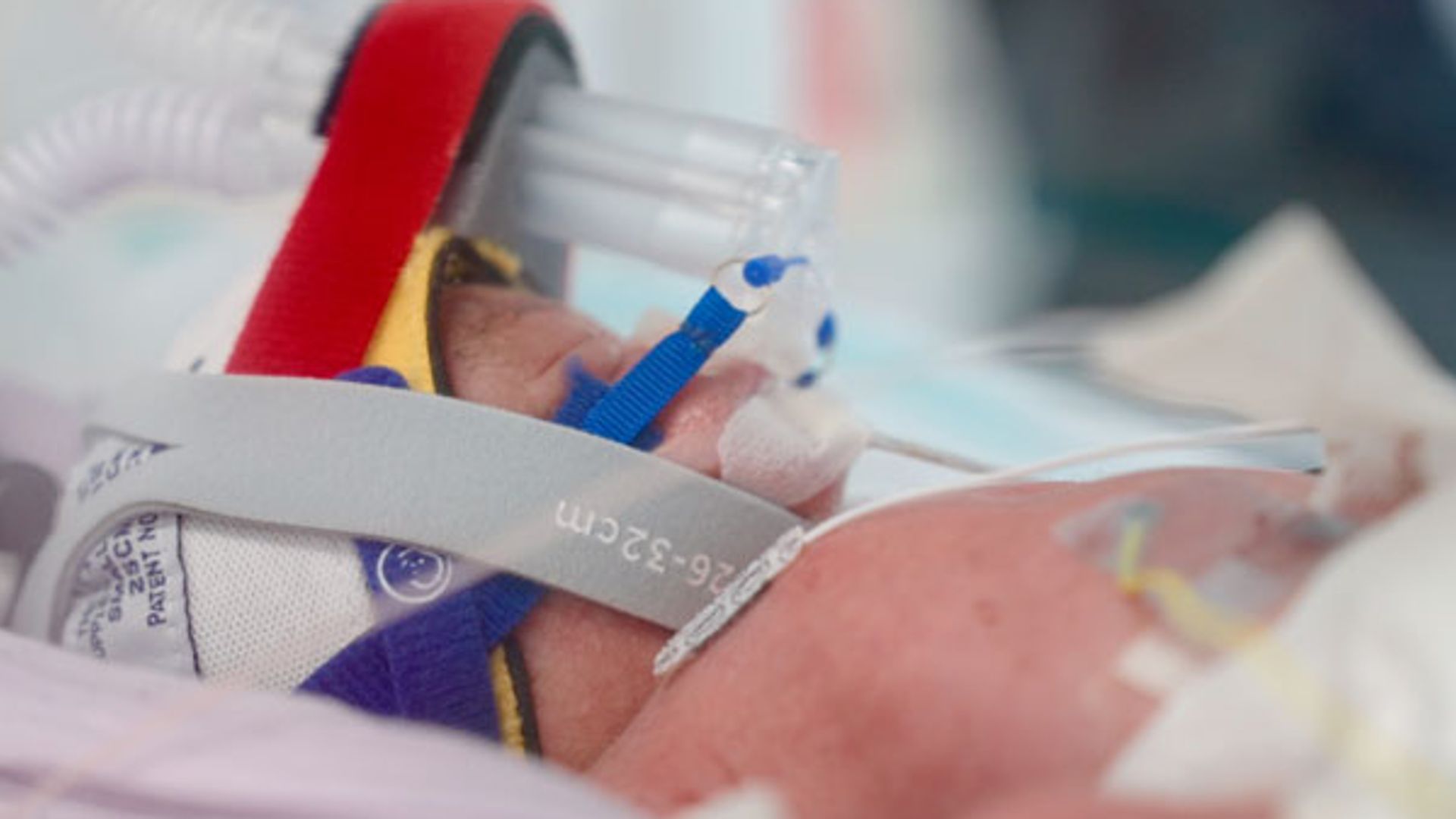
The girls are currently resting in the neonatal intensive care unit (NICU) in Brisbane. They're tiny, fragile, and require oxygen and tube feeding, but medical staff confirm they're doing remarkably well. They'll remain in hospital care until closer to their original full-term due date, gaining strength gram by gram.
The Brutal Reality of Going From 4 Kids to 8 Overnight
It's easy to read a heartwarming headline about "miracle quads" and move on with your day. But step back and think about what this looks like when the hospital discharge papers get signed.
Jenitar and her husband Jortham went to bed one night managing four kids under ten. A few months later, they're preparing a home for eight children, including four newborns who all eat, sleep, and cry on identical biological schedules.
Consider the practical logistics:
- Transportation: Standard sedans and 7-seater SUVs are completely useless. Fitting six car seats plus two older children and two adults requires a 10-to-12-passenger commercial van.
- Diaper supply: Four infants consume roughly 30 to 40 diapers a day. That's over 1,000 diapers every month just for the new arrivals.
- Feeding schedule: Newborns feed every two to three hours. With four infants, by the time you finish feeding, burping, and changing the fourth baby, it's time to start over with the first.
The family launched an online fundraising campaign to cover immediate living costs, ongoing medical bills, and that mandatory 12-seater van. Community support poured in quickly, but the daily grind of raising eight children will test every ounce of endurance they have.
How to Support High-Risk Families and Multiple Birth Organizations
If this story highlights anything, it's how quickly life can throw an overwhelming curveball. If you want to help or learn more about navigating multiple-birth logistics, here are actionable ways to take action right now:
- Contribute directly to rare birth support funds: Search verified crowd-funding platforms for the Na'amoana family in Brisbane to help cover medical expenses and specialized family transport.
- Connect with local multiple birth associations: Organizations like the Australian Multiple Birth Association (AMBA) or national twin and triplet networks offer practical resources, equipment loans, and mental health support for families facing higher-order multiples.
- Donate gear to local community banks: High-density baby gear like double strollers, specialized bassinets, and premie-sized clothing often sit unused in garages after a few months. Donate them to regional family centers where parents of multiples can access them affordably.