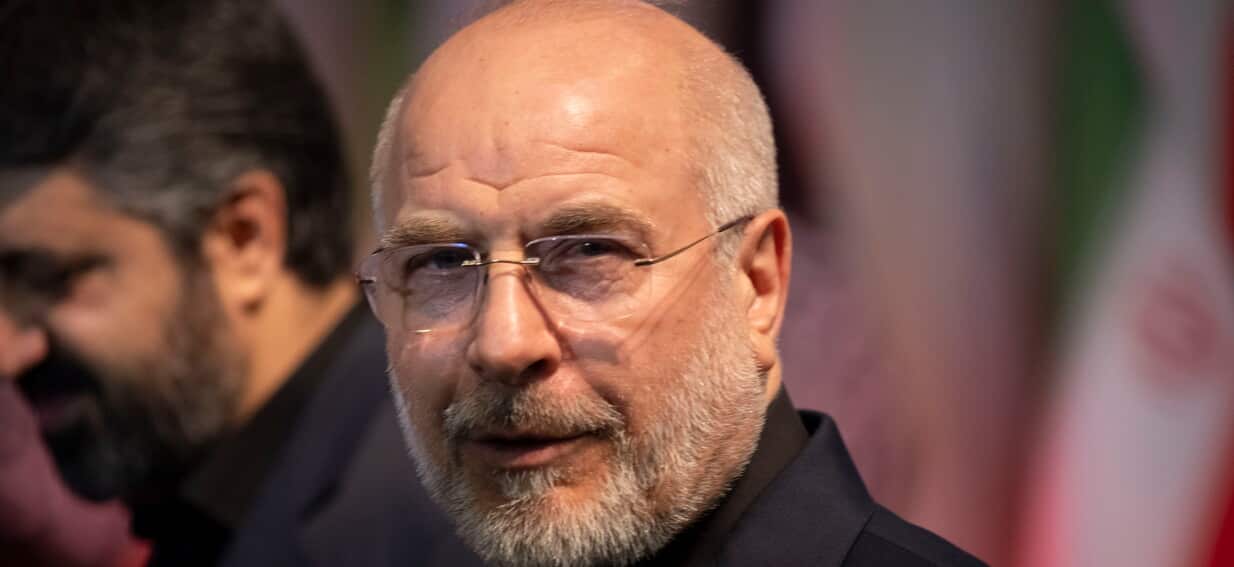
The North Atlantic Treaty Organization just wrapped up its high-stakes meeting in Turkey, and the mainstream media is completely missing the real story. They want you to look at the glossy family photos taken at the Presidential Complex in Ankara. They want you to focus on the carefully worded joint communiques.
Don't buy the corporate spin.
The recent NATO summit in Ankara wasn't a display of unbreakable Western unity. It was an diplomatic sandbox where structural cracks, escalating regional wars, and shifting financial burdens collided over two intense days. If you think this was just another routine gathering of world leaders, you're looking at things upside down.
Behind the heavy security lockdowns and the sweeping protest bans enforced by the local governorship, the global order quietly shifted. The transatlantic alliance is changing fast, and the pressure points exposed in Turkey will shape international security for the next decade.
The Cracks in the Transatlantic Alliance are Getting Wider
We have to talk about the elephant in the room. The relationship between Washington and its European allies has hit a rough patch. US President Donald Trump arrived at the NATO summit in Ankara carrying a list of grievances and a very specific set of demands.
The primary source of friction stems from recent military actions. A three-month war involving the United States, Israel, and Iran has thrown a massive wrench into traditional diplomatic channels. European capitals are furious. Leaders in France, Italy, and Spain openly criticized Washington for launching retaliatory strikes against Iranian targets without consulting the wider alliance beforehand. In fact, several European states went so far as to restrict American military access to their airspace during these offensive operations.
German Chancellor Friedrich Merz didn't hold back his assessment. He noted that a deep rift has opened between Europe and the United States.
It showed in Ankara.
Trump used his time on stage to attack European reluctance to back American maneuvers in the Middle East. He declared that a previous memorandum of understanding with Tehran was completely over, throwing the regional security matrix into total chaos. For European leaders, this unilateral approach isn't just annoying. It's dangerous. They see a Washington that acts first and asks questions later, leaving Europe to deal with the economic and migratory fallout of a destabilized Middle East.
The Grudge Over Defense Spending
Money always drives the narrative. For years, American administrations have complained that Europe treats the alliance like a free security shield. Trump took that complaint to a new level in Turkey.
The numbers tell a mixed story. On paper, European allies and Canada have poured an extra $1.2 trillion into defense over the past decade. By 2025, practically every member state had finally hit the old benchmark of spending 2% of their gross domestic product on defense.
But the goalposts just moved.
At the previous gathering in The Hague, the alliance agreed to a massive new target. Members are now expected to dedicate 5% of their GDP to defense- and security-related spending by 2035. This massive figure splits into two buckets: 3.5% for core military requirements and 1.5% for broader defense-related investments.
NATO Secretary General Mark Rutte spent his week in Ankara pleading for credible, concrete plans to hit these marks. The reality? Only five out of thirty-two member states are on track to hit the core 3.5% target this year. The United States leads the pack at 3.17%, while the average across Europe and Canada sits at 2.53%.
Trump used these metrics as a cudgel. He threatened to target Spanish trade over missing defense quotas. He even re-upped his bizarre, long-standing demand that the United States should take over Greenland, which is a self-governing part of Denmark. Denmark is a founding member of the alliance. This kind of rhetoric leaves European diplomats visibly shaken. They're left wondering if the American security guarantee is still worth the paper it's written on.
The Ukrainian Gamble and the Patriot System Deal
Despite the backroom shouting matches, the alliance managed to pull together a massive financial package for Kyiv. This was the primary objective for Ukrainian President Volodymyr Zelenskyy, who spent forty-eight hours conducting a relentless marathon of sideline meetings.
NATO locked in a 70 billion euro package for Ukraine. This money covers military hardware, training programs, and operational assistance throughout the year. Crucially, the text includes a binding promise to match or exceed this exact funding level next year.
Manufacturing Weapons Inside the War Zone
The real breakthrough didn't happen in the main assembly hall. It happened during a joint press appearance featuring Zelenskyy and Trump.
Kyiv secured a license to domestically manufacture Patriot missile defense systems.
This is huge. Patriot systems are incredibly expensive, complex, and in short supply worldwide. Up until now, Western nations have been hesitant to transfer this level of production capability directly to a nation actively under fire. Trump confirmed the agreement with characteristic bluntness, telling reporters that the US would show Ukraine exactly how to build them.
This move signals a fundamental shift in how the alliance views the conflict with Russia. It's no longer just about shipping leftover stockpiles from Western warehouses across the border. It's about turning Ukraine into a heavily fortified industrial hub capable of churning out high-tier Western military technology on its own soil.
But there's a catch. European defense analysts are quietly warning that American military operations in the Middle East are eating into global ammunition supplies. The hardware shortages caused by conflicts elsewhere could easily delay the raw materials and components needed to get Ukraine's domestic Patriot production lines up and running.
Rethinking Logistics and the Fuel Supply Infrastructure Upgrade
You can talk about grand strategy all day long, but armies run on fuel. One of the most significant, yet widely overlooked, developments of the NATO summit in Ankara was a massive logistical overhaul.
The alliance signed off on a 27 billion euro investment to completely modernize its fuel storage and distribution networks.
This isn't an administrative upgrade. It's a hard-nosed preparation for potential continental warfare. The plan focuses on extending pipelines, upgrading massive fuel depots, and creating new distribution networks that stretch deep into the eastern flank of the alliance.
Securing the Eastern Flank
The geopolitical center of gravity in Europe has moved east. The infrastructure investment aims to ensure that if a major conflict erupts near the Baltic states or Poland, mechanized divisions won't grind to a halt due to broken supply lines.
The new setup utilizes advanced tracking networks and automated distribution frameworks designed to survive heavy cyber warfare and physical bombardment. It represents a pivot toward long-term deterrence. NATO is building the physical plumbing required to sustain a massive, multi-national army on short notice right on Russia's doorstep.
Turkey Uses the Host Status to Flex Its Geopolitical Muscles
Hosting this event was a major win for Turkish President Recep Tayyip Erdogan. Ankara was turned into a virtual fortress for the week. The government instituted a blanket ban on all public protests, demonstrations, and even leaflet distribution leading up to the arrival of world leaders. Security forces swept through major cities to suppress anti-NATO demonstrations in Istanbul and Izmir.
Erdogan used the global spotlight to position Turkey as an indispensable mediator. He balanced the demands of Western leaders while maintaining his own independent foreign policy line. On one hand, Turkey continues to profit wildly from exporting its highly effective Bayraktar TB2 drones to various global partners. On the other hand, Erdogan publicly warned that Western actions in the Middle East risk completely destroying fragile diplomatic agreements, including the precarious status of regional deals involving Iran.
Getting What Ankara Wants
The diplomatic gamble paid off. During the proceedings, Trump announced that the United States would lift lingering sanctions on Turkey. More importantly, Washington agreed to reconsider selling top-tier F-35 fighter jets to Ankara, a deal that had been frozen for years over Turkey's purchase of Russian defense systems.
This shows how the alliance operates in the current era. It's a transactional marketplace. Turkey provided a secure, highly controlled environment for a difficult summit, and in return, it walked away with major defense concessions from the White House.
The Domestic Political Circus Shadowing Global Diplomacy
Global leaders like to pretend they're insulated from the messy realities of domestic politics when they travel abroad. The events in Turkey proved otherwise. The summit was constantly derailed by political theater happening back home in various member states.
Consider the absurd situation within the Czech delegation. Prime Minister Andrej Babis and President Petr Pavel got locked in a bitter constitutional dispute over who actually had the legal right to lead the country's delegation in Ankara. The fight grew so intense that the country's Constitutional Court had to issue a preliminary ruling just days before the event. Ultimately, the two leaders refused to fly on the same aircraft, presenting a fractured, confusing face to their international allies.
These internal distractions aren't unique to smaller member states. Every leader sitting around that table in Ankara is looking over their shoulder at shifting voter pools, rising populist movements, and volatile economic conditions back home. It makes long-term planning incredibly difficult. When a prime minister or president signs a declaration promising billions of euros in defense spending over the next decade, there's absolutely no guarantee their successor won't tear up the agreement six months later.
Moving Beyond the Corporate Press Bullet Points
If you want to understand where the global security architecture is heading, stop reading the sanitized summaries. The NATO summit in Ankara revealed an alliance that is deeply anxious, financially strained, and wrestling with internal division.
The old framework of total American dominance and quiet European compliance is dying. In its place, we're seeing the messy birth of what some diplomats are calling NATO 3.0. It's an environment where European nations are forced to build a stronger defense identity that is less dependent on Washington, even as they fight to keep the United States anchored to the continent.
Your Immediate Strategy Review
Don't wait for these geopolitical shifts to impact your operational realities. Take these concrete steps right now.
- Audit Supply Chain Vulnerabilities: Review your logistics networks, specifically looking for dependencies in the Eastern European and Middle Eastern corridors where regional instability or military prioritization could choke commercial transit.
- Assess Capital Reallocation: If your business connects to defense, technology, or energy infrastructure, look closely at the upcoming 27 billion euro infrastructure rollout. The funding pipelines for logistical upgrades are opening immediately.
- Prepare for Regulatory Fluctuations: Monitor the trade policies emerging from Washington and Madrid closely. Trump's explicit threats regarding Spanish trade tariffs mean compliance and duty structures could shift unexpectedly before the end of the quarter.

:max_bytes(150000):strip_icc()/Sabyasachia-998984251b434f3a9c350c5694ef7f32.jpeg)