You can always smell the panic in Alberta when the rain doesn't stop. It’s that damp, heavy scent of mountain water pooling where it shouldn't, triggering a collective shudder for anyone who lived through the nightmare of 2013.
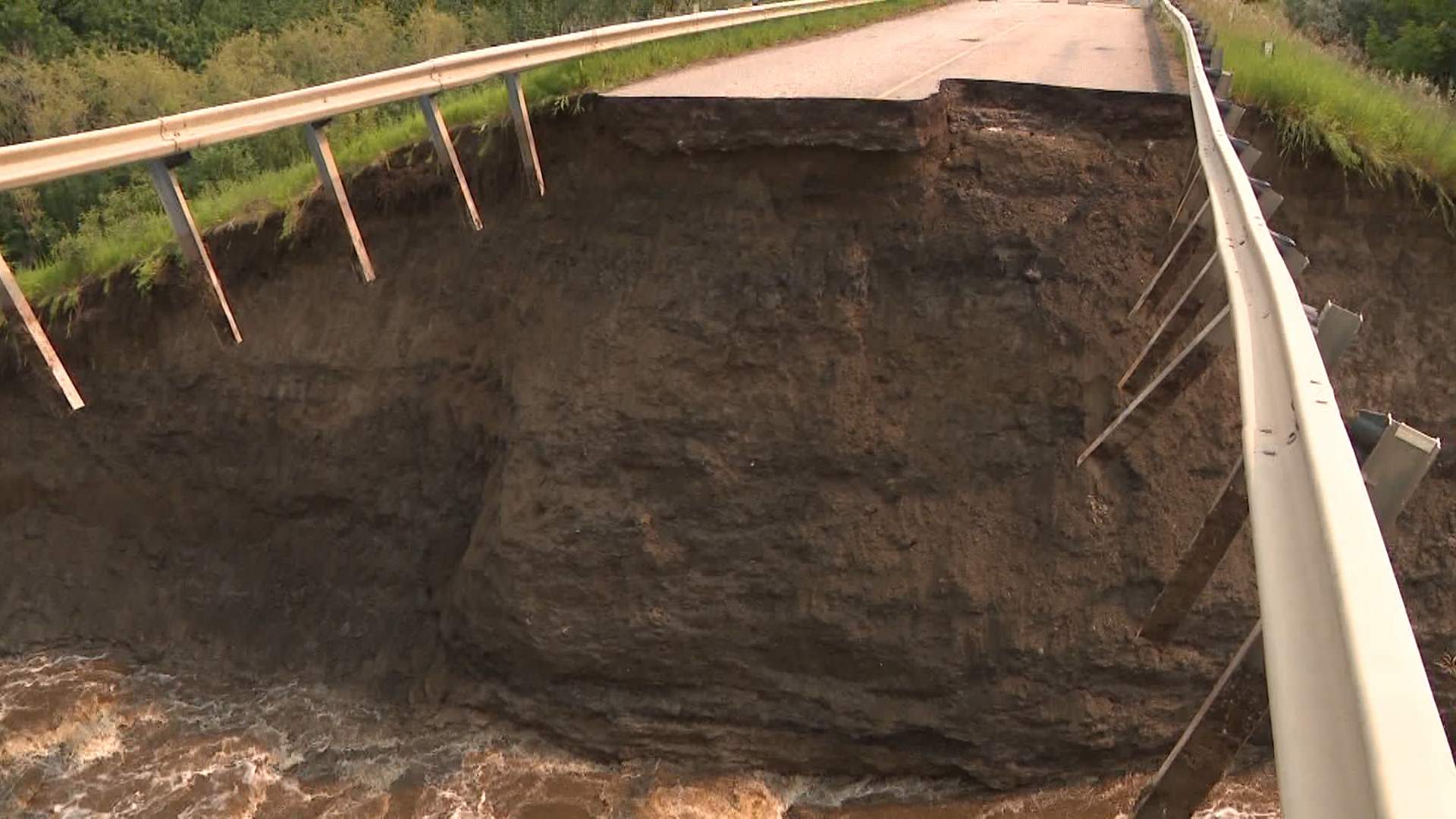
Right now, a slow-moving, blocked low-pressure system is stalling out over southern and central Alberta, dumping up to 150 millimeters of rain in less than 24 hours. The Bow and Elbow river basins are taking a beating. Emergency alerts are lighting up phones from Beaver County to Canmore. Roads are washing out, bridges are collapsing, and states of local emergency are active.
While government officials quickly point to their shiny new infrastructure projects, the reality on the ground tells a much more chaotic story. We aren't out of the woods, and local infrastructure is failing in ways nobody planned for.
The Infrastructure Illusion
Calgary recently celebrated a milestone. The Springbank Off-Stream Reservoir, an 800 million dollar project built specifically to prevent a repeat of the 2013 catastrophe, was activated for the very first time. Water was successfully diverted from the Elbow River to ease the pressure downstream.
But relying on massive engineering marvels breeds a dangerous sense of complacency. Giant reservoirs don't fix the vulnerable culverts, rural roads, and sudden mountain mudslides that actually paralyze communities during a deluge.
Take a look at Akenside in Strathcona County. Residents there watched a bridge along Township Road 534 completely vanish into Oldman Creek. Was it a massive, unpredictable surge of river water that did it? No. It was a backed-up culvert clogged by beaver dams. The rain fell, the pressure built, the culvert burst, and the road collapsed into a gaping hole.
An 800 million dollar reservoir west of Calgary doesn't save a rural commuter when localized infrastructure fails due to routine wildlife activity and poor maintenance.
Mudslides and Mountain Chaos
Further west, the situation in Kananaskis Country and Canmore shows just how quickly mountain landscapes turn hostile. The Kananaskis Improvement District and the Town of Canmore both declared states of local emergency after relentless rain saturated the ground, triggering mudslides and sweeping away sections of Highway 40 and the Smith Dorrien Trail.
Steep mountain creeks like Cougar Creek and Three Sisters Creek are on strict flood watches. When these creeks swell, they don't just carry water; they carry massive boulders, mature trees, and debris that act like a battering ram against local bridges. People were literally trapped between two separate mudslides on Highway 40, requiring emergency crews to scramble for route clearings.
The ground is saturated. Even if the heaviest downpours slow down, the water stored in the mountain snowpack is melting rapidly alongside the rain. It means river banks are deeply unstable. What looks like solid ground near the Bow River can be completely hollowed out underneath by fast-moving currents, ready to collapse under the weight of a curious bystander or a pet.
What to Do Instead of Panicking
If you’re currently watching the water rise near your property, you don't need a lecture on climate statistics. You need to know how to protect your home and your family right now.
Most people make the mistake of focusing entirely on rising rivers, completely missing the threat of overland flooding and sewer backups.
- Check the valves: Step into your basement and verify your sump pump is actually running and your backflow prevention valve isn't stuck.
- Fix your downspouts: Walk outside and make sure your eavestrough extensions are directing water at least 1.5 meters away from your foundation. Pouring water directly next to your basement wall ensures seepage when the water table is this high.
- Move the irreplaceable stuff: Don't wait until water is coming through the floorboards to move old photo albums, tax documents, or electronics up to the main floor.
- Track real-time data: Stop refreshing general news feeds for local updates. Use Alberta River Basins to view live streamflow numbers and remote camera feeds of the creeks near you. Check Alberta 511 before even thinking about driving.
The forecast shows lingering showers and thundershowers heading toward Canada Day, keeping river flows elevated. The water is cold, running around 12 degrees Celsius, and thick with hidden debris. Stay off the rivers, stay off the banks, and stop assuming the government's engineering projects have everything under control.