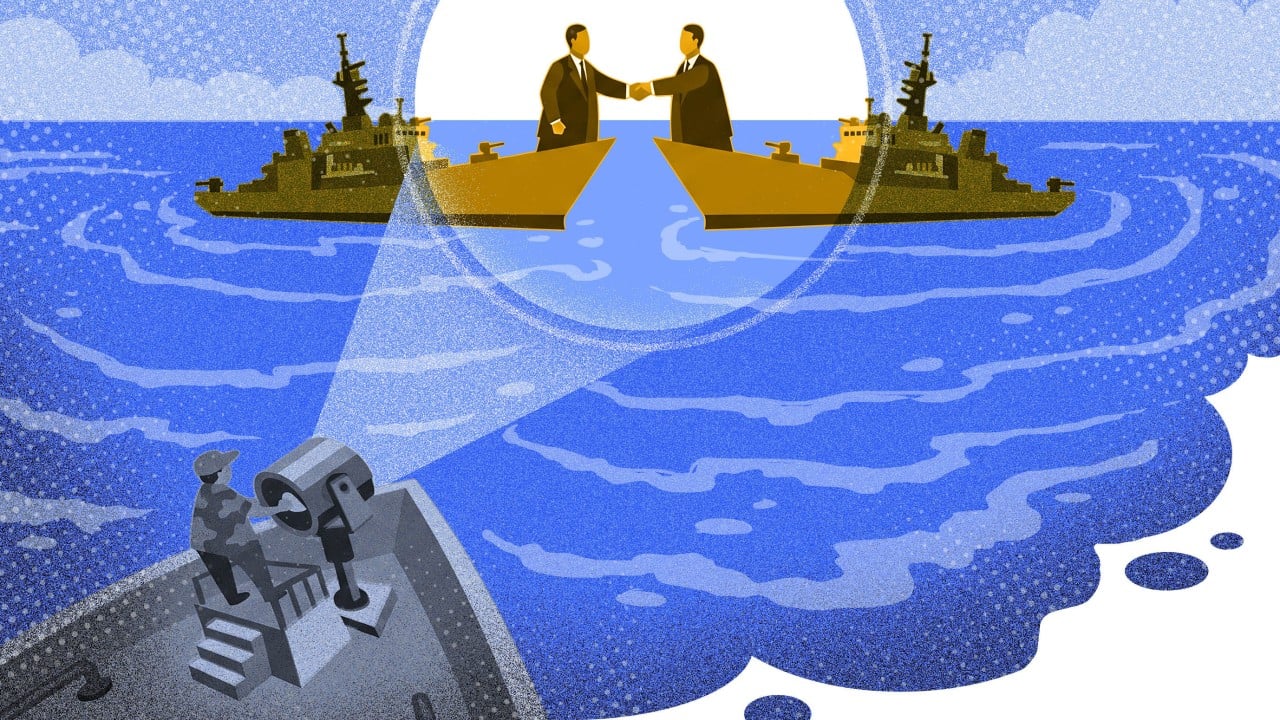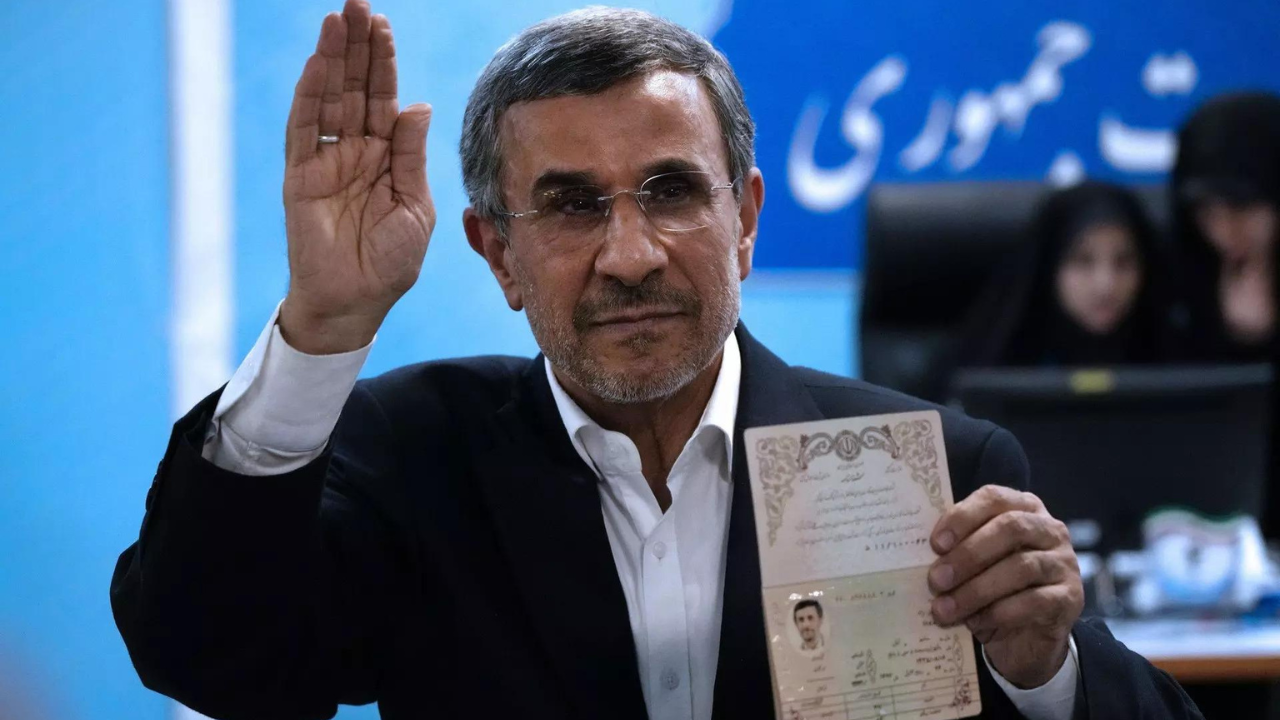
You remember Mahmoud Ahmadinejad. The fiery Iranian president who spent the 2000s denying the Holocaust and promising to wipe Israel off the map. He was the ultimate Western bogeyman. So, if I told you that Israel's foreign intelligence agency, the Mossad, spent years courting him, paying his travel bills, and scheming to install him as the leader of a post-regime Iran, you’d probably think I’ve been reading bad spy novels.
Except it actually happened. Meanwhile, you can find similar developments here: The Maine Ice Shooting Proves The Human Cost Of Wrong Target Warrants.
A massive leak, detailed by the New York Times and Haaretz, pulled back the curtain on one of the most bizarre, high-stakes espionage plots in modern history. It is a story of secret European meetings, a cinematic wartime rescue mission, and an intelligence gamble that blew up in everyone’s faces. The real narrative goes way deeper than the surface-level headlines. It reveals how desperate intelligence agencies get when they try to manufacture a regime change from the outside.
The Strangest Alliance in Geopolitical History
To understand how we got here, you have to look at what happened to Ahmadinejad after he left the presidency in 2013. The guy was effectively cast out. Iran's Supreme Leader, Ayatollah Ali Khamenei, and the ruling elite saw him as a loose cannon. They blocked him from running for office again. To understand the complete picture, check out the recent article by Associated Press.
Frustrated and sidelined, Ahmadinejad changed his tune. He started criticizing government corruption. He worked on his English. He even began presenting himself as a moderate champion of the regular Iranian people.
According to sources close to him, Ahmadinejad eventually realized he had zero future under the current Islamic Republic framework. He allegedly became convinced that foreign intervention was the only way he would ever taste power again. He was terrified that if the US and Israel overthrew the regime, they would just drop an unknown outsider into Tehran, plunging the nation into absolute chaos. His solution? Position himself as the stable, familiar alternative.
The Mossad saw an opening. Around 2022, they began building a bridge to their former arch-nemesis.
The Budapest Cover-Up
Intelligence agencies don't just text target assets. They need a pristine cover. For the Mossad, that cover was a series of international academic conferences.
The operation kicked into high gear when senior Hungarian officials quietly pressured the Ludovika University of Public Service in Budapest to invite Ahmadinejad to a climate change conference. The university’s rector, Professor Gergely Deli, later admitted he knew the invitation would damage his school’s reputation, but he went along with it because he believed he was helping a process that would ultimately save lives.
The conference was a front. In 2024, David Barnea, who was running the Mossad at the time, flew directly to Budapest to meet Ahmadinejad face-to-face. Think about the sheer audacity of that. Israel was heavily entangled in a brutal war in Gaza against Hamas, an Iranian proxy. Yet, Barnea actually skipped a crucial security consultation with Prime Minister Benjamin Netanyahu to prioritize this secret rendezvous with the former Iranian president.
The Mossad kept the momentum going. They allegedly picked up the tab for Ahmadinejad’s travel and housing expenses through clandestine funds. They met with him again in Guatemala, and then back in Budapest in June 2025. During that second Hungarian trip, Ahmadinejad reportedly managed to slip away from his own Islamic Revolutionary Guard Corps (IRGC) bodyguards twice.
What did the Mossad think they were buying? A puppet who promised that, once installed, Iran would recognize Israel and sign onto the Abraham Accords. It sounds nice on paper, but the assumption that a deeply unpopular, former hardline president could just walk back into Tehran and command authority was wildly optimistic.
Operation Roaring Lion and the Great Escape
The entire operation reached a chaotic climax in late February, right when the joint US-Israeli military campaign against Iran—dubbed Operation Roaring Lion—officially launched.
Ahmadinejad was under strict house arrest in Tehran by his own government, who had grown deeply suspicious of his foreign trips. On day one of the military campaign, an Israeli airstrike slammed into Ahmadinejad's compound. The strike wasn't meant to assassinate him; it was designed to wipe out his IRGC security detail.
Immediately after the blast, a team of Mossad operatives extracted Ahmadinejad from the rubble and rushed him to a secure safe house hidden inside Iran. The stage was set for their grand regime-change plan, which also counted on sparking a synchronized Kurdish uprising to shatter the regime's control.
Then, the whole plan fell apart.
Safely inside the safe house, Ahmadinejad reportedly got cold feet. He grew deeply disillusioned with the specifics of the Israeli script for his political resurrection. Realizing he was becoming a pawn in a game he couldn't control, he walked out of the safe house and vanished into the night.
What Happened Next
The grand regime-change plot didn't just fail; it vanished into thin air. The planned Kurdish uprising never gained traction, and the Islamic Republic’s core infrastructure held firm.
Ahmadinejad’s run as a ghost didn't last long. He finally resurfaced publicly at the funeral procession for the late Supreme Leader Ayatollah Ali Khamenei, looking visibly shaken, masked, and heavily guarded.
According to senior Iranian officials, the IRGC’s intelligence wing uncovered the full extent of his dealings with Western and Israeli intelligence. He is currently back under tight house arrest in IRGC custody. Neither Israel nor Iran has officially commented on the leak, but the silence speaks volumes.
Why This Matters Right Now
The temptation to buy stability by backing a familiar tyrant is an old intelligence trap. History is littered with examples of Western intelligence backing the wrong horse in the Middle East, thinking they can micro-manage a nation's internal politics from a hotel room in Europe. The Mossad’s gamble on Ahmadinejad proves that even the most sophisticated intelligence agencies are prone to dangerous wishful thinking.
If you want to track how these failed covert operations continue to shape Middle Eastern stability, keep a close eye on the internal power struggles currently rocking the IRGC leadership. Watch how they handle the remaining factions of Ahmadinejad’s political network inside Iran over the coming weeks, as that will signal just how deeply the regime feels compromised.