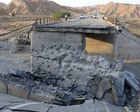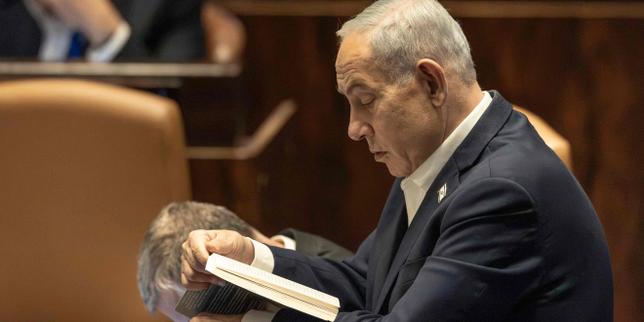
History has a weird way of sticking around, especially when political leaders refuse to let it go. On July 22, 1946, a massive explosion ripped through the southern wing of the King David Hotel in Jerusalem, killing 91 people. It remains one of the most lethal acts of political violence in the region's history. Fast forward to modern times, and this decades-old event is not just a chapter in a textbook. It's a living, breathing part of Israel's current political identity, championed by Prime Minister Benjamin Netanyahu.
You might wonder why a modern head of state would vocalize support for an operation from 1946. Netanyahu and his political allies don't look at the Irgun—the militant Zionist underground group behind the attack—as terrorists. They see them as freedom fighters. This perspective tells you everything you need to know about how the current Israeli administration views statehood, military force, and the historical narrative of the nation.
The Day the King David Hotel Fell
To understand the political weight of this event today, you have to look at what actually happened back in 1946. Jerusalem was under the British Mandate. The King David Hotel wasn't just a luxury spot for travelers; it functioned as the nerve center for British administrative and military operations in Palestine.
Led by Menachem Begin—who would later become Israel's prime minister—the Irgun targeted the hotel to destroy documents that British authorities had seized during a massive crackdown on Jewish resistance groups. Militants smuggled about 350 kilograms of explosives into the basement hidden inside milk cans.
The resulting blast collapsed an entire section of the building. The death toll was catastrophic. It didn't just claim British lives; the 91 victims included 41 Arabs, 28 British citizens, 17 Jews, and several other nationalities.
A major point of historical contention is whether warning calls were ignored. The Irgun claimed they placed warning phone calls to the hotel switchboard and nearby offices, giving the British 25 minutes to get everyone out. The British authorities denied receiving a proper warning or argued that the timeline made a safe evacuation impossible. That single disagreement has fueled political debates for eighty years.
Netanyahu and the Revision of Militant History
Modern political memory is highly selective. Netanyahu has repeatedly defended the Irgun’s actions, drawing a sharp line between what he considers legitimate underground warfare and modern terrorism.
During a 60th-anniversary commemoration of the attack, Netanyahu openly contrasted the Irgun with groups like Hamas or Hezbollah. His argument hinges entirely on those warning calls. He claimed that because the Irgun told the British to evacuate, their intentions were non-lethal, whereas modern militant groups intentionally target civilians without warning.
This argument leaves a lot of historians unconvinced. Critics point out that planting 350 kilograms of explosives in a bustling, multi-story government office building during peak work hours carries an obvious, predictable risk of mass casualties, regardless of a last-minute phone call.
But Netanyahu's stance isn't just about historical technicalities. It’s deeply tied to his political pedigree. His own father, Benzion Netanyahu, was heavily involved in Revisionist Zionism, the right-wing political movement that birthed the Irgun. For the Israeli right, honoring the Irgun validates their specific political lineage over the left-wing labor movements that dominated Israel's early statehood under David Ben-Gurion.
The Geopolitical Fallout
Honoring the bombers doesn't sit well internationally. The British government has historically taken a very dim view of attempts to rewrite the narrative around the King David Hotel. When Israeli groups installed a commemorative plaque at the hotel that repeated the claim that the British ignored the warnings, British diplomats fiercely protested, forcing a rewrite of the plaque's text.
This friction reveals a deeper truth about international relations. One country's founding hero is often another country's historical criminal. By continuing to celebrate these figures, Netanyahu signals to his domestic base that international disapproval matters less than ideological purity and historical pride.
Where to Go From Here
If you want to really understand the roots of today's Middle Eastern political rhetoric, you can't just look at recent events. You have to trace them back to the pre-statehood era.
- Read original accounts: Look into the contrasting statements issued by both Menachem Begin and British Commander Sir John Shaw immediately following the 1946 blast to see how the narrative split from day one.
- Track the political shifts: Notice how the legacy of the Irgun shifted from being marginalized by early Israeli leadership to being celebrated by the ruling parties today. This transition explains much of the uncompromising stance seen in contemporary Israeli policy.